

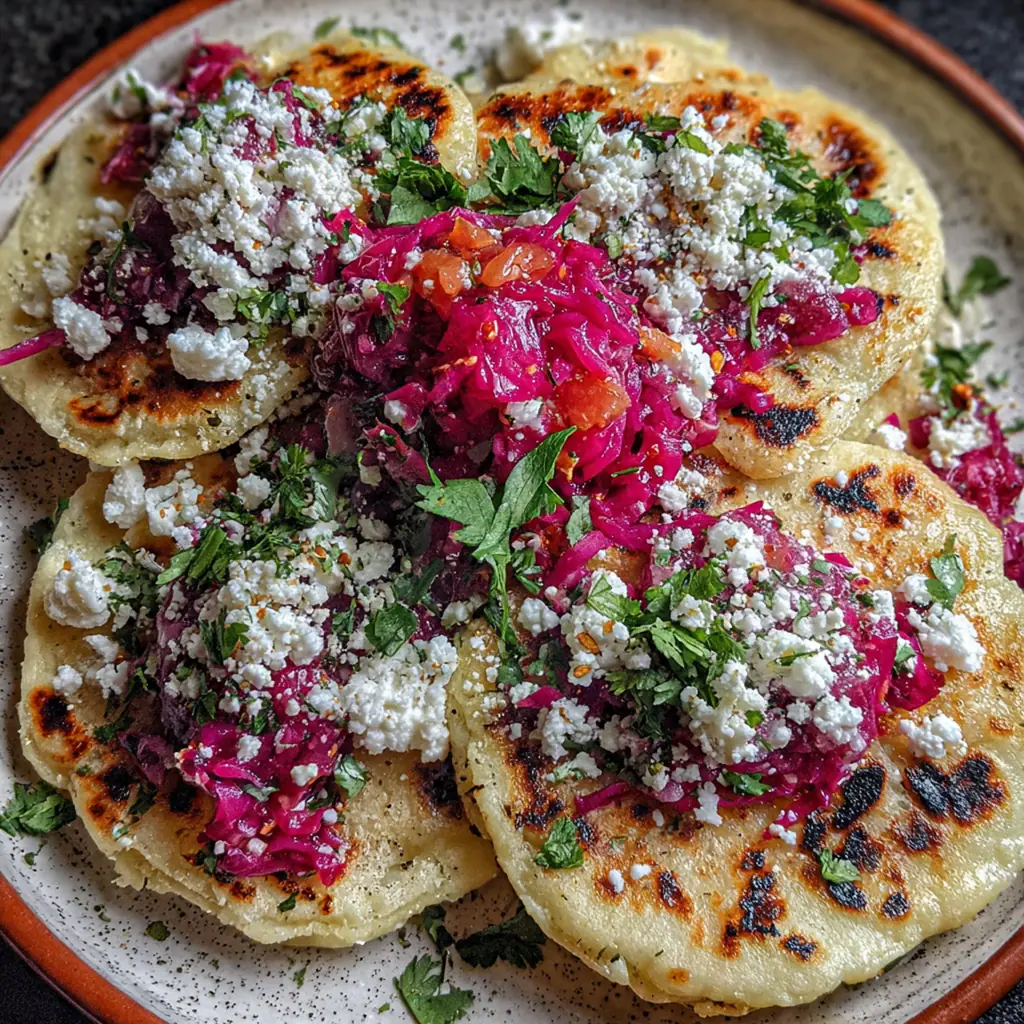
Mastering Homemade Masa Cheese Pupusas brings the soul-warming comfort of Salvadoran kitchens right to your own table. These handcrafted corn cakes boast a tender, griddled exterior and a molten cheese center that’s pure joy to pull apart. Originating from El Salvador, this beloved street food transforms simple ingredients into something truly magical through a fun, hands-on process. You’ll find the experience of shaping and cooking them just as rewarding as that first delicious bite served with tangy curtido.
Why You'll Love This Recipe
- The tender masa and gooey cheese filling are an irresistibly cozy combination
- You can easily customize them with different fillings for endless variety
- The bright, crunchy curtido perfectly cuts through the rich, melty interior
- They reheat like a dream, making them ideal for meal prep
- Shaping them is a fun activity to share with your favorite people
Ingredients You’ll Need
- Masa harina: This specially treated corn flour is essential for the authentic flavor and texture of the dough, look for a fine, fresh bag without any clumps.
- Warm water: Hydrates the masa to form a pliable dough that’s easy to shape, using warm water helps the masa absorb the moisture evenly.
- Salt: Seasons both the dough and the curtido brine, enhancing all the natural flavors in every component of the dish.
- Quesillo cheese: This Salvadoran string cheese melts into the perfect gooey, stretchy filling, but mozzarella or Oaxaca cheese work wonderfully as substitutes.
- Green cabbage: Finely shredded for the curtido, it provides a crisp, refreshing crunch that pickles beautifully with the vinegar brine.
- Carrot: Adds a touch of natural sweetness and vibrant color to the curtido, grating it ensures it pickles quickly.
- White onion: Used in both the curtido and the salsa roja, it provides a sharp, aromatic base that mellows when cooked or pickled.
- Dried oregano: Infuses the curtido with its classic, earthy flavor, a staple herb in Salvadoran cooking.
- White vinegar: Creates the tangy pickling liquid for the curtido, white vinegar keeps the colors of the vegetables bright.
- Sugar: Balances the sharp acidity of the vinegar in the curtido brine, creating a more rounded, complex flavor.
- Tomatoes: Form the base of the simple, smooth salsa roja, cooking them softens their acidity and deepens their taste.
- Garlic clove: Adds a pungent, aromatic kick to the salsa roja, sautéing it first tames its raw bite.
- Black pepper: Gives a subtle warmth to the salsa roja, just a pinch is all you need.
- Vegetable oil: Used for sautéing the salsa roja ingredients, it carries the flavors and helps create a smooth, emulsified sauce.
How to Make It
Start Your Curtido Slaw:
Combine your shredded cabbage, grated carrot, half the sliced onion, and oregano in a big bowl. In a saucepan, simmer the vinegar, water, half the salt, and sugar until everything dissolves. Pour that hot brine right over the veggies and give it a good stir. Let it sit and marinate while you work on everything else, stirring now and then – this quick-pickling process builds incredible flavor.
Blend Your Salsa Roja:
Heat the oil in a skillet over medium and add the rest of your chopped onion and that garlic clove. Sauté them until they smell amazing and turn fragrant, which only takes a couple minutes. Toss in your quartered tomatoes and let them cook down until they’re nice and soft. Transfer everything to a blender, add the remaining salt and pepper, and blend until completely smooth before returning it to the skillet for a final simmer to thicken it up a touch.
Mix Your Masa Dough:
Dump the masa harina into a medium bowl with the warm water and the other half teaspoon of salt. Use your hands to mix it all together until it feels smooth and holds together when squeezed. You want a dough that’s moist but doesn’t stick to your fingers – a little extra water or masa harina fixes either issue. Cover the bowl with a damp kitchen towel and let the dough rest for five minutes; this lets the masa fully hydrate.
Shape and Fill the Dough Balls:
Divide your rested dough into eight equal portions, keeping them covered so they don’t dry out. Take one ball and use your thumbs to press a deep well right into the center. Spoon about a tablespoon of your shredded cheese into that well, then carefully pinch the dough closed over the top, sealing the filling inside completely. Once sealed, gently roll it between your palms to form a smooth ball again, ensuring no filling is poking through.
Flatten into Perfect Discs:
Place each sealed ball on a sheet of plastic wrap or wax paper – this trick prevents sticking and makes the next step effortless. Gently press and pat the ball into a disc, aiming for about a half-inch thick and four inches across. If you see any cracks, just dampen your fingers slightly to smooth them over. Repeat with all your dough balls, stacking them with parchment in between if you need to.
Griddle to Golden Perfection:
Heat a large skillet or griddle over medium-high heat; a light brush of oil is fine if your surface isn’t non-stick. Cook your pupusas for three to four minutes per side, until they develop gorgeous golden-brown spots and feel firm to the touch. That exterior should be lightly crisp, and you’ll know the cheese inside is perfectly melted. Serve them right away, hot off the griddle, with plenty of that curtido and salsa roja you made.
Optional Finishing Touches:
For the full Salvadoran experience, drizzle a little crema salvadoreña or sour cream over your hot pupusas. You can also serve extra salsa roja on the side for those who love an extra kick. These Homemade Masa Cheese Pupusas are best enjoyed immediately while the cheese is at its most gloriously stretchy.
You Must Know
- Keep your masa dough covered with a damp cloth at all times to prevent drying
- If the dough cracks while shaping, a dab of water on your fingers fixes it
- Using plastic wrap to flatten prevents sticking and makes perfect discs
- Don’t overcrowd your skillet – cook in batches for even browning
- I always make a double batch of curtido because it’s that good
Storage Tips
You can store any leftover cooked pupusas in an airtight container in the fridge for up to three days. To reheat, just warm them in a dry skillet over medium heat until they’re hot all the way through and the exterior crisps up again – the microwave will make them soggy. Your curtido will keep getting better in a sealed jar in the fridge for about a week, and it’s fantastic on tacos or sandwiches too. I often make the components ahead so a quick pupusa feast is never more than a few minutes away.
Ingredient Substitutions
If you can’t find quesillo, mozzarella or Oaxaca cheese are the closest matches for that perfect melt, and even a mild Monterey Jack would work in a pinch. For the curtido, apple cider vinegar can stand in for the white vinegar, and you could swap red cabbage for green for a vibrant color change. No fresh tomatoes for the salsa? A can of good-quality fire-roasted tomatoes makes a fantastic, deeper-flavored sauce. And if you’re avoiding dairy, a melty plant-based mozzarella style cheese will still give you that satisfying filled center.
Serving Suggestions
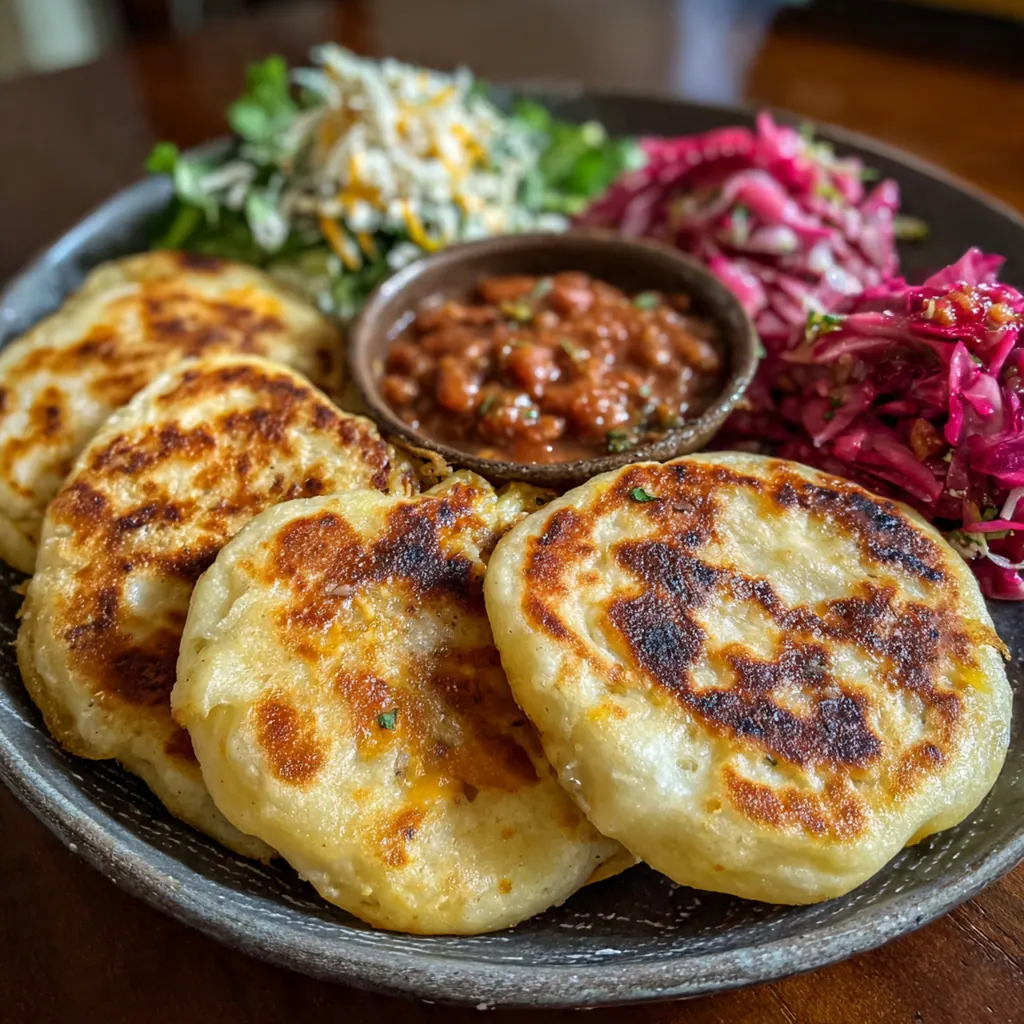
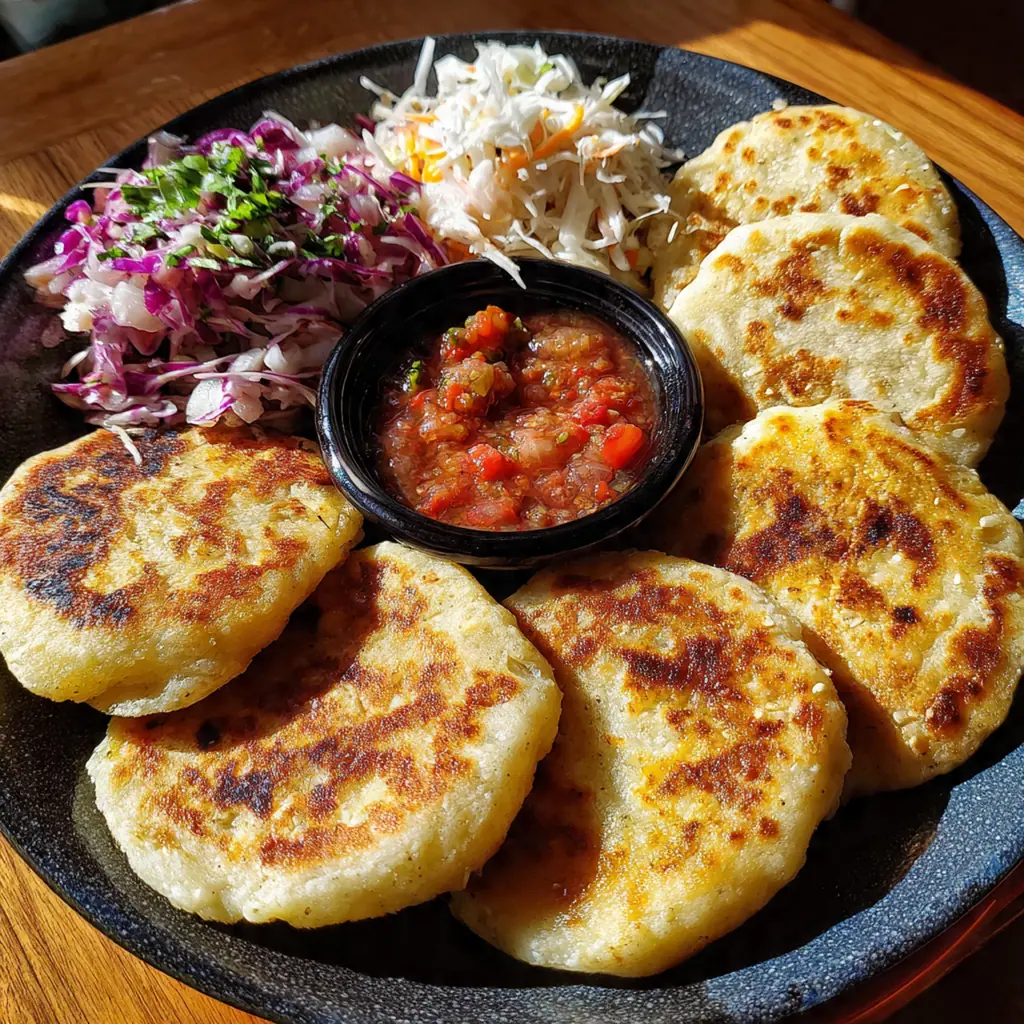
Pile your hot pupusas high on a platter with a generous mound of curtido right on top and a side bowl of that vibrant salsa roja for drizzling. For a complete Salvadoran feast, add sides like creamy black beans, sweet fried plantains, or a simple salad of sliced avocado and tomato. They’re also incredible with a fried egg on top for breakfast or with grilled chicken for a heartier meal. No matter how you serve them, the contrast of warm, cheesy masa and cool, tangy slaw is what makes every bite perfect.
Cultural Context
Pupusas are the national dish of El Salvador, a cherished staple found everywhere from bustling street stalls to family kitchens. Their origins trace back centuries to the Indigenous Pipil tribes, and today they remain a central part of social gatherings and daily life. The ritual of shaping them by hand and cooking them on a traditional comal is often a shared, communal activity. Enjoying them with curtido and salsa roja isn’t just a suggestion – it’s the authentic way to experience the beautiful balance of textures and flavors that defines Salvadoran comfort food.
Pro Tips
- Let your dough rest covered for five minutes for easier handling
- A zip-top bag works wonders for flattening without any mess
- Add a pinch of cumin to the masa dough for extra warmth
- Cook on a well-heated surface for those signature crisp spots
- My family loves them with a bit of refried beans added to the cheese
Frequently Asked Questions
Quesillo, a Salvadoran string cheese, is traditional and gives the perfect melty, stringy texture. If you can’t find it, a blend of shredded mozzarella and Oaxaca cheese is an excellent substitute for that same gooey, stretchy quality.
You can prep the dough and shred the cheese in advance, but it’s best to assemble and cook them fresh. Leftover cooked pupusas reheat beautifully on a skillet or griddle to restore their crisp exterior.
Masa harina (nixtamalized corn flour) is essential for the authentic flavor and texture of the dough. Regular cornmeal or corn flour won’t work, as they haven’t been treated with lime and will result in a gritty, crumbly pupusa.
Cook them on a hot, lightly oiled griddle for 3-5 minutes per side. They’re ready when they’re golden brown with some darker spots, crisp on the outside, and the cheese inside is completely melted and hot.
Serve them traditionally with curtido (a tangy fermented cabbage slaw) and a simple salsa roja. This combination of hot, crispy, cheesy pupusa with cool, vinegary curtido and spicy salsa is what makes the dish complete.