

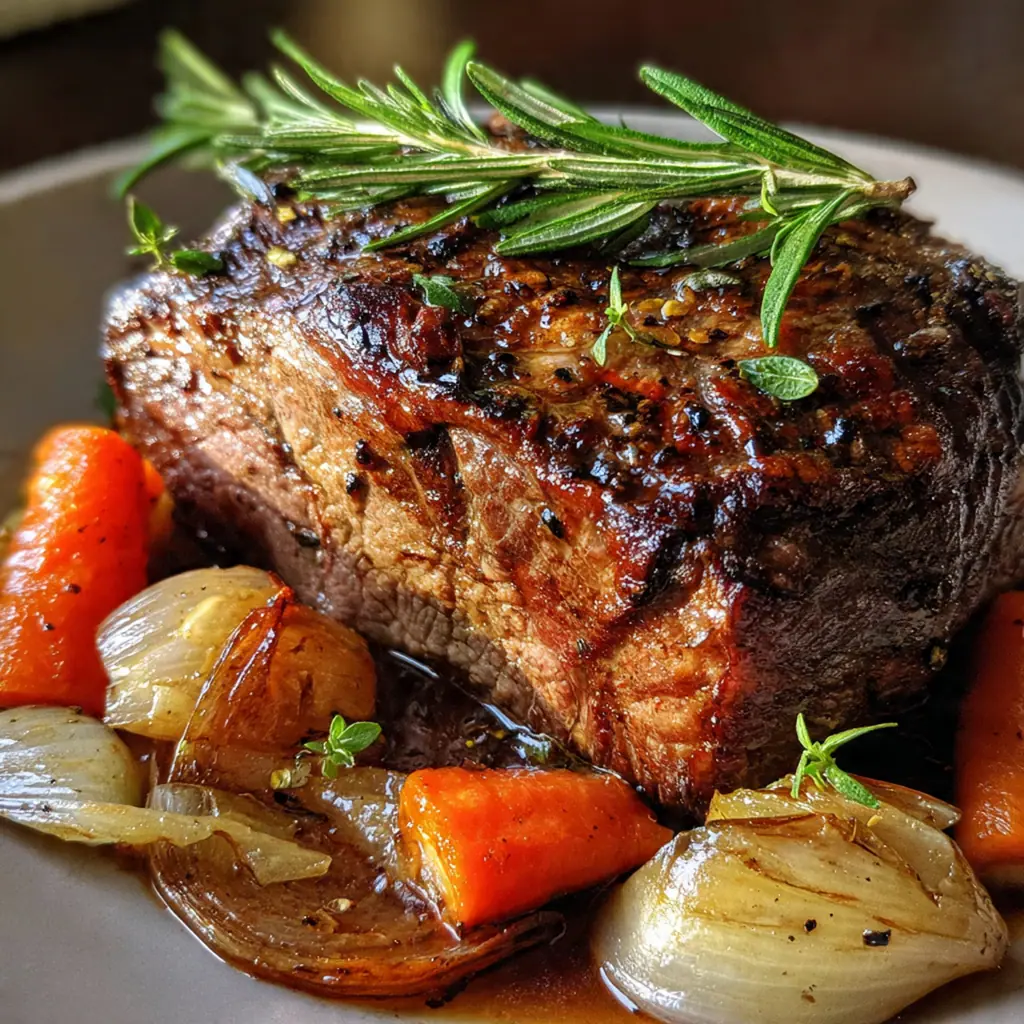
This best roast beef recipe is the kind of meal you’ll be proud to serve for any special occasion, from a relaxed Sunday dinner to a festive holiday table. It delivers that perfect combination of a deeply savory, crispy garlic-herb crust and a juicy, tender interior that slices like a dream. The method is surprisingly simple, leaning on a good cut of beef and a reliable meat thermometer to guarantee fantastic results every single time. It’s a classic American centerpiece that feels both timeless and totally impressive, making it the best roast beef you can make at home.
Why You'll Love This Recipe
- You get a perfect medium-rare center that’s incredibly juicy and tender
- The garlic and fresh herb crust packs a ton of flavor into every bite
- The technique is simple but feels fancy enough to impress any guest
- You make a rich, delicious pan gravy from the drippings
- My family fights over the leftovers for sandwiches
Ingredients You’ll Need
- Beef ribeye or top round roast: The star of the show, choose a well-marbled ribeye for ultimate richness or a leaner top round for a classic slice; bring it to room temp before roasting for even cooking.
- Olive oil: Acts as the binder for your herb paste and helps create that beautiful, golden crust on the outside of your roast.
- Kosher salt and black pepper: The essential foundation of flavor; coarse kosher salt seasons the meat deeply and helps draw out moisture for better browning.
- Fresh garlic: Minced finely so it melds into the herb paste and infuses the crust with its aromatic, savory punch.
- Fresh rosemary and thyme: These classic herbs provide a fragrant, woodsy aroma that complements beef perfectly; fresh is non-negotiable for the best flavor here.
- Yellow onion and carrots: They roast underneath the meat, catching all the delicious drippings and becoming deeply caramelized and sweet.
- Beef broth: Forms the base of your gravy, deglazing the pan to capture every bit of flavor from the roasted vegetables and meat juices.
- All-purpose flour and unsalted butter: Combined to make a roux, which thickens the gravy to a silky, luxurious consistency; using unsalted butter lets you control the seasoning.
- Fresh herb sprigs: A completely optional but beautiful garnish that makes your plated best roast beef look straight from a magazine.
How to Make It
Preheat and Prep:
Get your oven screaming hot at 450°F right from the start; this initial blast of heat is what will give your roast that incredible sear and crust. While it heats, take your beef roast and pat it completely dry with paper towels – this is a crucial step you don’t want to skip because dry meat browns so much better than wet.
Make the Herb Paste:
In a small bowl, mix together the olive oil, salt, pepper, minced garlic, and all those chopped fresh herbs. You’ll end up with a fragrant, almost pesto-like paste that’s going to be the flavor bomb for your best roast beef.
Season the Roast:
Rub that herb paste all over the entire surface of the beef, using your hands to really press it into every nook and cranny. Don’t be shy here; you want every inch covered for maximum flavor in every single slice.
Arrange the Vegetables and Roast:
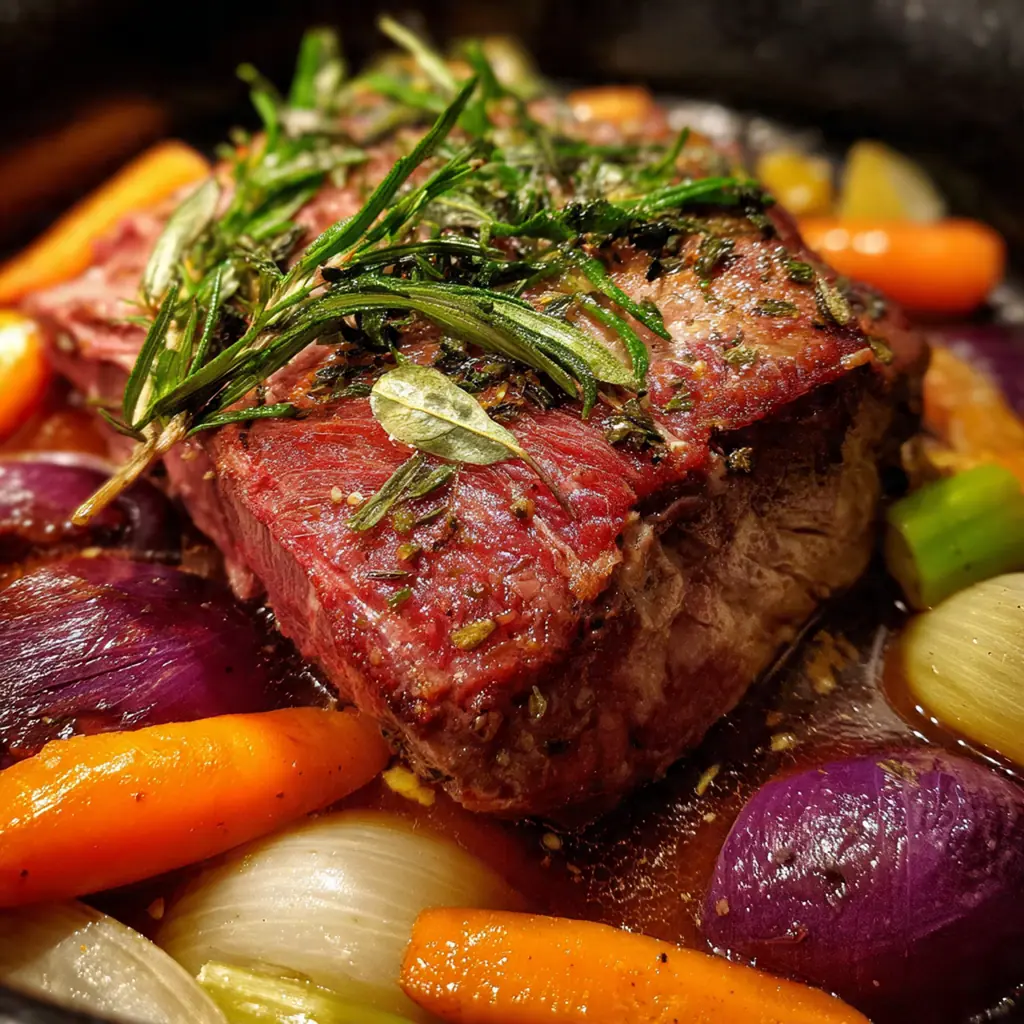
Toss your quartered onion and carrot chunks into the bottom of your roasting pan – they’ll act as a natural rack and flavor the gravy later. Place the seasoned roast right on top of them, then slide the whole pan into that hot oven for the initial 15-minute sear.
Lower the Heat and Roast:
After the searing time, reduce your oven temperature down to 325°F. This gentle heat will cook the meat evenly to your desired doneness without overcooking the outside. Roast until a meat thermometer inserted into the thickest part reads 135°F for medium-rare, which usually takes about 20 minutes per pound.
Rest the Meat:
Once it hits temperature, pull the roast out and transfer it to a cutting board. Tent it loosely with foil and let it rest for a full 20 minutes – this is the secret to juicy meat, as it lets the frantic juices settle back throughout the roast.
Make the Gravy:
While the roast rests, make your gravy. Set the roasting pan on the stovetop over medium heat, pour in the beef broth, and use a whisk to scrape up all those glorious browned bits stuck to the bottom. In a separate bowl, mash the flour and butter into a smooth paste, then whisk it into the simmering broth until the gravy thickens nicely.
Slice and Serve:
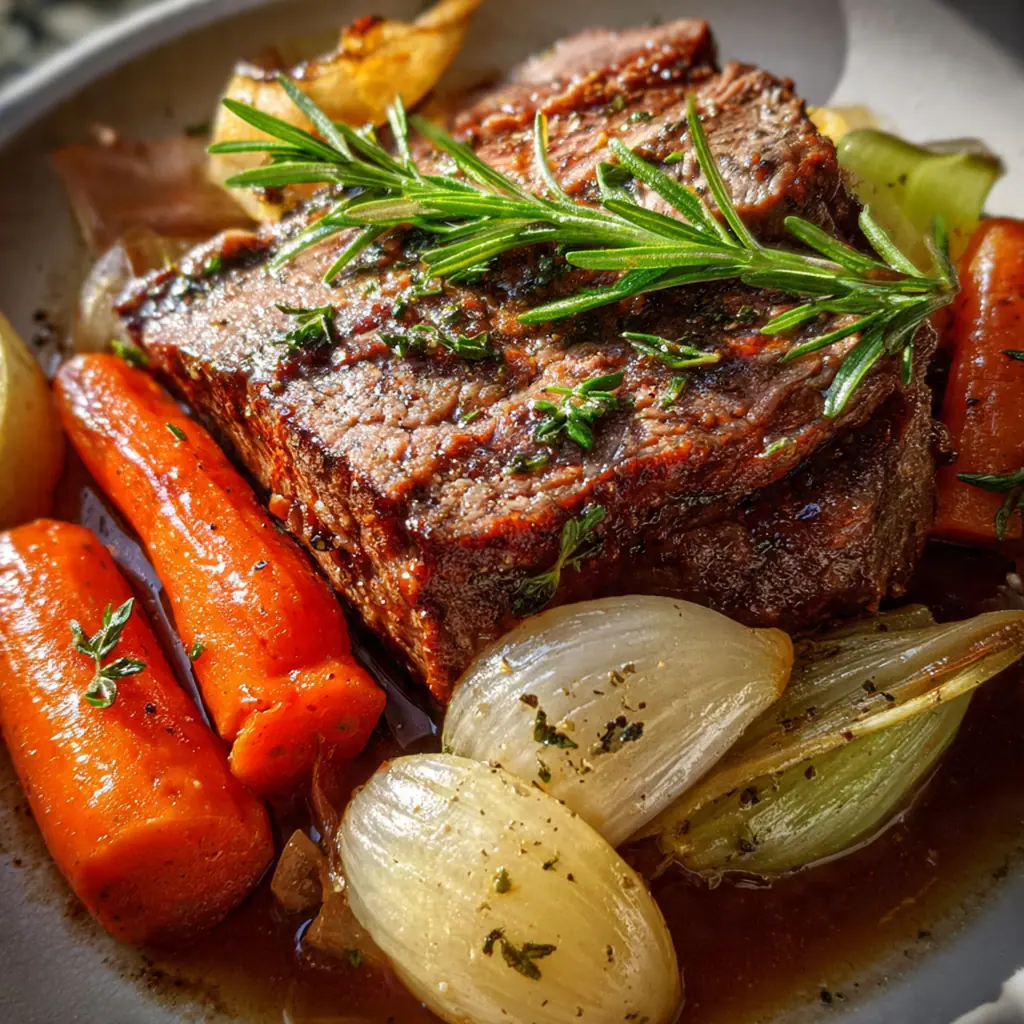
Finally, use a sharp knife to slice your best roast beef against the grain into thin slices. This makes each piece incredibly tender. Serve it up with those roasted vegetables and a generous pour of that homemade gravy you just made.
You Must Know
- Patting the beef dry is the first step to a great crust
- Letting the roast rest after cooking is non-negotiable for juiciness
- A meat thermometer is your best friend for perfect doneness
- Slicing against the grain transforms even leaner cuts
- I never make gravy without those pan drippings
Storage Tips
Store any leftover best roast beef in an airtight container in the refrigerator, where it’ll stay fresh and delicious for up to four days – it’s fantastic cold in sandwiches or chopped into salads. For longer storage, you can wrap individual portions or the whole leftover roast tightly in plastic wrap and then foil before freezing for up to three months; just thaw it overnight in the fridge before gently reheating slices in a low oven or skillet with a splash of broth to keep it moist. The gravy stores beautifully in the fridge for a few days too, just reheat it slowly in a saucepan while whisking to bring it back to life.
Ingredient Substitutions
If you can’t find a ribeye or top round roast, a beef tenderloin or sirloin roast will work with adjusted cooking times. For the herbs, you can use about one teaspoon each of dried rosemary and thyme if fresh isn’t available, though the flavor won’t be quite as bright. To make the gravy gluten-free, simply skip the flour-butter roux and instead mix a tablespoon of cornstarch with two tablespoons of cold water, then whisk that slurry into the simmering broth until it thickens. A good olive oil or even avocado oil can stand in for the butter in the roux if you need a dairy-free option, though you’ll miss a bit of that classic richness.
Serving Suggestions
This best roast beef truly shines with classic sides like the creamiest mashed potatoes or fluffy Yorkshire puddings to soak up all that gravy, alongside something green like steamed haricots verts or roasted Brussels sprouts with a touch of balsamic. For a lighter accompaniment, a sharp arugula salad with shaved Parmesan and a lemon vinaigrette cuts through the richness beautifully. And don’t forget condiments – a dollop of creamy horseradish sauce or a grainy mustard on the side elevates each bite and lets your guests customize their perfect plate.
Cultural Context
A perfectly roasted joint of beef is a cornerstone of American and British holiday traditions, often taking center stage at celebrations like Christmas dinner or a classic Sunday roast. The method of searing at high heat before finishing at a lower temperature is a technique refined over generations to maximize flavor and texture, ensuring a crusty exterior and rosy interior. While the garlic and herb crust adds a modern, aromatic twist, the core principle of honoring a great cut of meat with simple preparation connects this dish to timeless home cooking around the world, where the roast signifies gathering, generosity, and comfort.
Pro Tips
- Let the seasoned roast sit out for an hour before cooking for the most even results
- Invest in a good instant-read thermometer – it takes all the guesswork out
- Rest the meat for the full 20 minutes, no peeking
- Use the vegetable trivet to elevate the roast and flavor your gravy
- I always make a double batch of gravy because everyone wants extra
Frequently Asked Questions
For the best roast beef, a 4-5 pound ribeye roast is ideal for its rich marbling and tenderness. A top round roast is a great leaner option, though it requires careful monitoring with a meat thermometer to prevent overcooking.
Absolutely. You can season the roast with the herb rub up to a day in advance. Cook it fresh for the crispiest crust, but leftovers store well for 3-4 days in the refrigerator, making it perfect for meal prep.
If you don’t have fresh herbs, use 1 teaspoon dried rosemary and ½ teaspoon dried thyme per tablespoon of fresh. Dried herbs are more potent, so you’ll use less to avoid overpowering the delicate garlic and beef flavors.
Use a meat thermometer for perfect doneness. For medium-rare, pull the roast from the oven at 125°F (it will rise to 130°F as it rests). Let it rest for at least 15 minutes to allow the juices to redistribute throughout the meat.
This classic American roast beef pairs wonderfully with the roasted carrots and onions from the pan, creamy mashed potatoes, Yorkshire puddings, or a simple green salad. Don’t forget the rich gravy made from the pan drippings!