


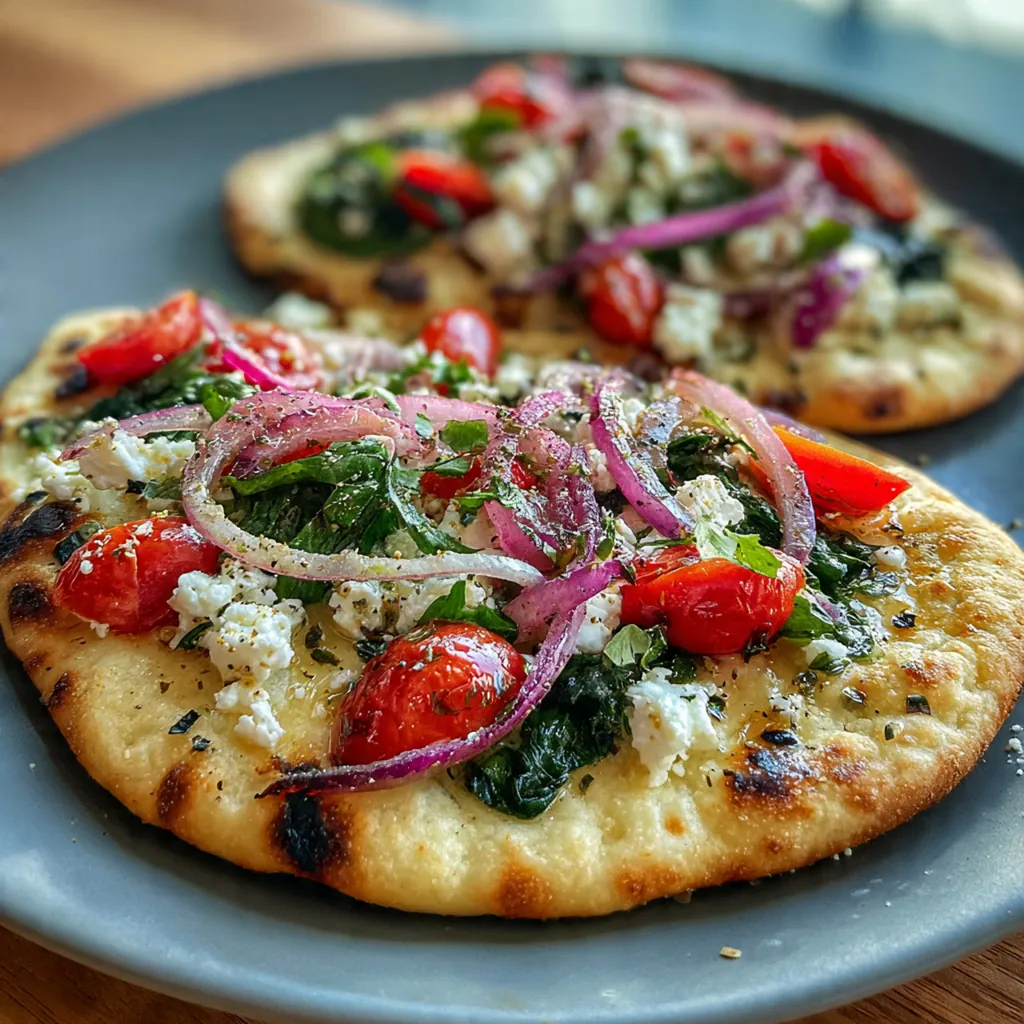
Feta Spring Flatbreads are the ultimate way to welcome the new season right from your oven. This Mediterranean recipe combines tangy, creamy feta with bright lemon, crisp asparagus, and sweet peas on a warm, chewy naan base. It’s a dish that feels special enough for guests but comes together in under 30 minutes, making it perfect for busy weeknights. I love how the fresh herbs and red pepper flakes wake up the palate after a long winter.
Why You'll Love This Recipe
- Tangy feta meets sweet spring peas for the perfect flavor bite
- Crisp asparagus stays crunchy thanks to a quick ice bath trick
- One hot baking sheet does all the work for easy cleanup
- Versatile enough for dinner or cut into wedges for appetizers
- I make these whenever I need something impressive in a hurry
Ingredients You’ll Need
- Naan bread or flatbread: provides a sturdy, chewy base that holds up to the wet toppings. Look for fresh naan in the bakery section or soft pita bread as a backup.
- Feta cheese: brings salty tang and creamy texture to the dish. Buy a solid block in brine and crumble it yourself for superior flavor and texture over pre-crumbled.
- Fresh peas: add a pop of sweetness and bright green color. Frozen peas work perfectly if fresh aren’t available; just thaw them in cool water first.
- Asparagus: offers earthy flavor and crisp texture. Choose stalks with tight tips and trim the woody ends before cutting into bite-sized pieces.
- Extra virgin olive oil: creates a crispy crust on the flatbread and enriches the toppings. A good fruity oil makes a noticeable difference in the final flavor.
- Garlic: infuses the feta mixture with aromatic pungency. Fresh cloves minced finely provide the best punch without burning.
- Lemon: zest and juice bring necessary acidity to balance the rich cheese. Use organic if possible since you’ll be eating the zest.
- Fresh mint leaves: add a cooling, bright herbal note that screams spring. Look for vibrant green leaves without dark spots.
- Fresh dill: provides a grassy, slightly sweet flavor that pairs perfectly with feta. Always buy fresh; dried dill loses its aromatic magic.
- Red pepper flakes: optional heat that cuts through the creamy cheese. Adjust the amount based on your spice tolerance.
- Sea salt: enhances all the natural flavors in the vegetables and cheese. Coarse sea salt gives better texture than table salt.
- Black pepper: adds subtle warmth and depth to every bite. Freshly cracked pepper offers much more flavor than pre-ground.
- Pine nuts: provide buttery crunch and richness. Lightly toast them in a dry pan before using to unlock their nutty oils.
- Honey: optional drizzle that balances the salty feta with sweetness. A light floral honey works best for this application.
How to Make It
Preheat the Oven and Heat the Pan:
Set your oven to 425°F and place a large baking sheet inside while it preheats. Starting with a hot pan is the secret weapon for getting crispy, non-soggy flatbread bottoms that hold up to all those juicy toppings.
Blanch and Shock the Asparagus:
Bring a medium pot of salted water to a rolling boil. Drop in your trimmed asparagus pieces for exactly 2 minutes until they turn bright green, then immediately plunge them into an ice water bath to stop the cooking. This locks in that beautiful color and keeps the texture perfectly crisp instead of mushy.
Mix the Feta and Vegetable Topping:
In a medium bowl, gently combine the crumbled feta, peas, cooled asparagus, minced garlic, 2 tablespoons of the olive oil, lemon zest, lemon juice, half the mint and dill, salt, pepper, and red pepper flakes. Stir just enough to mix everything without breaking down the feta too much—you want creamy pockets, not a uniform paste.
Prepare the Flatbreads:
Carefully remove the hot baking sheet from the oven using oven mitts. Brush both sides of each flatbread with the remaining olive oil, then place them oiled-side down on the screaming hot pan. This quick sizzle creates a barrier that prevents the toppings from soaking through and makes the bottom super crispy.
Assemble the Flatbreads:
Spread the feta and vegetable mixture evenly over each flatbread, leaving a half-inch border around the edges so the toppings don’t slide off during baking. Sprinkle the pine nuts over the top, pressing them gently into the mixture so they stick and don’t fall off.
Bake to Golden Perfection:
Slide the baking sheet back into the 425°F oven and bake for 10-12 minutes. You’re looking for the edges to turn golden brown and the feta to soften and just begin melting around the edges without becoming completely liquid.
Rest and Garnish:
Remove the flatbreads from the oven and let them rest for 2 minutes on the pan. This crucial step lets everything set so the toppings don’t slide around when you cut into them. Then, scatter the remaining fresh mint and dill over the top and drizzle with honey if you’re using it.
Slice and Serve:
Cut each flatbread into wedges using a sharp knife or pizza cutter. Serve immediately while everything is warm and the cheese is still soft. The contrast between the hot crispy base and cool fresh herbs is what makes this dish special.
Enjoy Your Creation:
Stand back and admire your work before diving in. These Feta Spring Flatbreads are best eaten fresh, so don’t wait around—grab a plate and enjoy the Mediterranean sunshine in every bite.

You Must Know
- Preheating the baking sheet ensures crispy bottoms
- Use block feta for the best texture and flavor
- Don’t skip the ice bath for asparagus
- Resting prevents toppings from sliding off
- I always add extra lemon zest at the end
Storage Tips
If you have leftovers, store them in an airtight container in the refrigerator for up to two days. The microwave will make them sad and soggy, so reheat them in a 350°F oven for 5-7 minutes to bring back that crispy flatbread texture. You can also eat them cold, which makes a fantastic lunch with a squeeze of fresh lemon juice.
Ingredient Substitutions
If you can’t find naan, pita bread works beautifully, or even thin pizza crust. Skip the pine nuts if there are nut allergies and replace them with toasted sunflower seeds or just leave them out entirely. For a dairy-free version, use a firm tofu crumbled with nutritional yeast and extra salt, though you’ll lose that authentic feta tang. Arugula can replace the fresh herbs if you prefer a peppery bite.
Serving Suggestions
Serve these flatbreads warm with a side of cool tzatziki sauce for dipping. Pair them with a simple arugula salad dressed only with lemon and olive oil to keep the Mediterranean vibe going. For a heartier meal, serve alongside roasted chicken or grilled lamb. They also make fantastic finger food for parties when cut into smaller triangles.
Cultural Context
Feta Spring Flatbreads borrow heavily from Greek and Turkish cuisine where flatbreads are a staple canvas for fresh ingredients. The combination of salty cheese, bright lemon, and spring vegetables is classic Mediterranean thinking—letting simple, seasonal ingredients shine without overcomplicating them. This dish captures that sun-drenched philosophy that food should be fresh, fast, and shared with others.
Pro Tips
- Toast pine nuts in a dry pan for extra nuttiness
- Brush the flatbread edges with oil for extra crispiness
- If using thick bread, extend baking time to 14 minutes
- Block feta crumbled by hand tastes miles better
- I love adding a pinch of sumac for extra tang
Frequently Asked Questions
Naan is ideal for these Feta Spring Flatbreads because it’s chewy and sturdy enough to hold the toppings. You can also use pita or any Mediterranean flatbread. The key is warming it first so it’s pliable and won’t get soggy under the fresh vegetables and feta.
These Feta Spring Flatbreads are best served fresh and warm. However, you can prep all the vegetables and mix the olive oil with garlic and lemon ahead of time. Store components separately and assemble just before serving to keep the flatbread from getting soft.
For these Feta Spring Flatbreads, you can substitute broccoli florets, snap peas, or roasted zucchini if asparagus isn’t available. Any crisp green vegetable works well. Just make sure to cook them briefly so they stay bright and crunchy against the creamy feta.
The asparagus for Feta Spring Flatbreads should be bright green and crisp-tender after about 4-5 minutes of cooking. It should bend slightly when lifted but still have a snap. Overcooked asparagus gets mushy and loses its fresh spring flavor.
These Feta Spring Flatbreads pair beautifully with a simple arugula salad, Greek yogurt sauce, or roasted chickpeas. For a complete Mediterranean meal, add a side of hummus and olives. They also work great as part of a mezze spread with other small plates.