

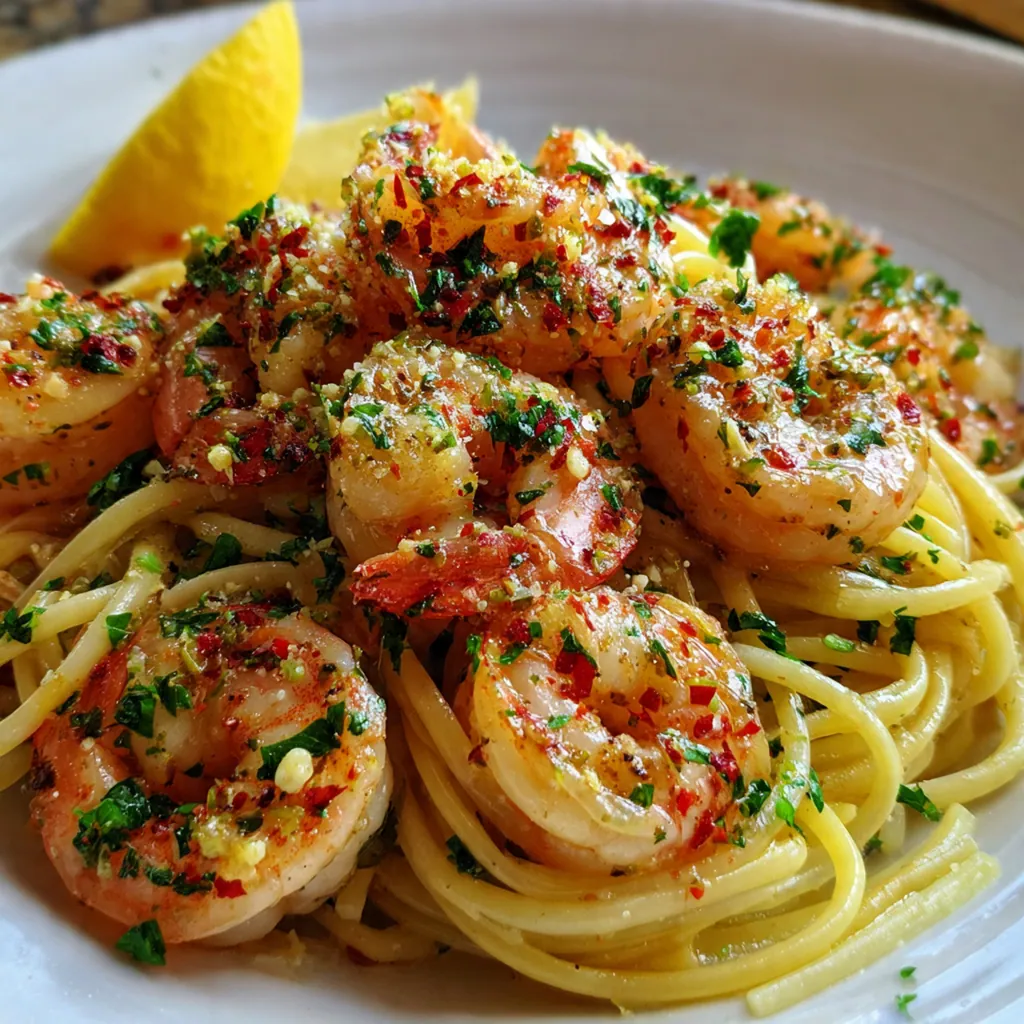
Classic Shrimp Scampi has been my go-to emergency dinner for years whenever I need something luxurious but fast. This Italian-American favorite brings together plump shrimp, garlic, butter, white wine, and bright lemon into a sauce that tastes like a million bucks. I learned to make it after too many overpriced restaurant versions, and honestly, this homemade version beats them all. You’ll love how the simple ingredients let the sweet shrimp shine while the pasta soaks up every drop of that incredible sauce.
Why You'll Love This Recipe
- Ready in just 25 minutes, perfect for a fast and elegant dinner
- The garlic, butter, and lemon sauce is incredibly flavorful yet simple
- Feels like a restaurant splurge without the high price tag
- One-skilt meal means minimal cleanup
- I make this when I want to impress but have zero time
Ingredients You’ll Need
- Large raw shrimp: Buy the biggest you can afford since they shrink when cooked. Look for firm, translucent flesh with no ammonia smell.
- Linguine or spaghetti: Both work beautifully to catch the sauce. Choose bronze-cut pasta for better texture and sauce adhesion.
- Unsalted butter: Gives you control over salt levels while creating that silky emulsion. European-style butter has richer flavor.
- Olive oil: Prevents butter from burning while adding fruity depth. Extra virgin gives the best flavor base for the garlic.
- Garlic: Fresh cloves are non-negotiable here since you taste them raw. Avoid pre-minced jars which taste metallic.
- Dry white wine: Pinot Grigio or Sauvignon Blanc work perfectly. Pick something crisp you’d actually drink since the alcohol cooks off.
- Fresh lemon juice: Bottled juice lacks the bright zing you need. Roll your lemons on the counter first to get more juice.
- Red pepper flakes: Just enough heat to wake up the palate. Start with less, you can always add more at the end.
- Fresh parsley: Flat-leaf Italian parsley has better flavor than curly. Chop it fine so it distributes evenly through the sauce.
- Salt: Kosher salt dissolves better than table salt and gives you more control. Season the shrimp directly for best flavor.
- Black pepper: Freshly cracked pepper beats pre-ground every time. Add it to the shrimp before cooking for a little crust.
- Parmesan cheese: Optional but adds a salty, nutty finish. Freshly grated melts better than the powdered stuff.
- Lemon wedges: Essential for serving since a squeeze at the table brightens everything up. Have extra wedges ready.
How to Make It
Prepare Your Pasta Station:
Start by bringing a large pot of generously salted water to a rolling boil. Cook your linguine or spaghetti according to package directions, aiming for al dente since it will finish cooking in the sauce. Before you drain it, scoop out about a cup of that starchy pasta water – this liquid gold is the secret to a silky sauce. Drain the pasta and set it aside while you cook the shrimp.
Prep the Shrimp Properly:
While the pasta cooks, thoroughly pat your shrimp completely dry with paper towels. This step is crucial because any moisture will cause the shrimp to steam instead of getting that beautiful sear. Season both sides evenly with kosher salt and black pepper. I like to let them sit at room temperature for a few minutes so they cook more evenly.
Sear the Shrimp Quickly:
Heat a large skillet over medium-high heat and melt one tablespoon of butter with the olive oil. Once the mixture is shimmering and hot, add the shrimp in a single layer, being careful not to crowd them. Cook for just 1-2 minutes per side until they turn pink and opaque. Don’t overthink it – they cook fast! Immediately remove them to a plate so they don’t get rubbery.
Build the Garlic Butter Base:
Reduce the heat to medium and toss in the remaining three tablespoons of butter. Once it’s melted and foaming, add your minced garlic and red pepper flakes. Stir constantly for about 30-60 seconds until the garlic smells amazing but isn’t browned. Burnt garlic turns bitter and ruins everything, so stay with it.
Deglaze and Reduce:
Pour in the white wine and fresh lemon juice, scraping up any browned bits from the bottom of the pan. Crank the heat back up to medium-high and let the sauce bubble vigorously for 2-3 minutes. This reduces the liquid slightly and cooks off the harsh alcohol taste, leaving behind concentrated flavor.
Emulsify the Sauce:
Add your cooked pasta directly to the skillet along with most of the chopped parsley and about 1/4 cup of the reserved pasta water. Toss everything together vigorously for a full minute, using tongs to lift and coat the pasta. The starchy water helps the butter and wine sauce cling to every strand, creating that signature scampi magic.
Bring It All Together:
Return the cooked shrimp and any juices that collected on the plate back to the pan. Give everything a gentle toss just to reheat the shrimp through – about 30 seconds is plenty. If the sauce looks too thick or clumpy, add another splash of pasta water and keep tossing until it looks glossy and perfect.
Serve Immediately:
Take the pan off the heat right away and taste for seasoning. I usually add a pinch more salt or a squeeze of lemon at this point. Serve the scampi hot in warm bowls, garnished with the remaining parsley, a dusting of Parmesan if you’re using it, and lemon wedges on the side for anyone who wants extra brightness.
You Must Know
- The pasta water is your secret weapon – don’t skip reserving it
- Dry shrimp thoroughly before seasoning to get a perfect sear
- Work fast once the garlic hits the pan to avoid bitterness
- I always taste right before serving and adjust the lemon
Storage Tips
Store any leftovers in an airtight container in the refrigerator for up to 2 days. The shrimp can become rubbery if you reheat them too aggressively, so I recommend warming everything gently in a skillet over low heat with a splash of water or white wine to loosen the sauce. You can also eat it cold – the flavors are actually fantastic the next day, though the pasta absorbs more sauce. I don’t recommend freezing since the shrimp texture suffers and the sauce can separate when thawed.
Ingredient Substitutions
If you don’t have white wine, use chicken broth plus an extra squeeze of lemon to cut the richness. For the pasta, any shape works – bucatini, fettuccine, or even angel hair are great, just adjust cooking time. Can’t find fresh parsley? A teaspoon of dried parsley added to the sauce works in a pinch, though fresh is definitely better. If you’re dairy-free, swap the butter for a good quality vegan butter stick and skip the Parmesan – the olive oil carries plenty of flavor on its own. For extra heat lovers, double the red pepper flakes or add a splash of hot sauce at the end.
Serving Suggestions
I love serving this with crusty garlic bread to mop up every last drop of that incredible sauce – it’s practically mandatory in my house. For a vegetable side, roasted asparagus or a simple arugula salad with lemon vinaigrette balances the richness perfectly. If you’re going full Italian-American feast, start with a simple caprese salad or bruschetta. For wine pairing, pour a glass of the same crisp white you used in the cooking – Pinot Grigio or Sauvignon Blanc will echo those flavors beautifully. On fancier nights, I add grilled artichokes or sautéed spinach with garlic.
Cultural Context
Shrimp scampi is actually an Italian-American invention rather than a traditional Italian dish, though it’s based on classic Italian cooking principles of simplicity and quality ingredients. The original Italian version would use scampi (a type of small lobster found in the Adriatic), but American cooks adapted it with readily available shrimp. What makes it special is the technique of emulsifying butter with starchy pasta water and wine, creating that signature glossy sauce that clings to everything. It’s comfort food that feels fancy, born from the resourceful immigrant cooks who made magic with just a few pantry staples. This is exactly the kind of dish that proves you don’t need complex techniques or expensive ingredients to create something truly satisfying.
Pro Tips
- Use high-quality, large shrimp – wild-caught has the best flavor and texture
- Never let the garlic brown or it turns bitter and ruins the sauce
- Dry your shrimp thoroughly before seasoning to ensure they sear, not steam
- Choose a wine you’d actually drink since its flavor concentrates in the sauce
- The vigorous toss at the end is what creates that silky emulsion – don’t skip it
- I always use a 12-inch skillet so everything has room to breathe
Frequently Asked Questions
For the best Classic Shrimp Scampi, use large raw shrimp (1 pound), peeled and deveined. Size matters here—large shrimp stay juicy and tender during the quick 15-minute cook time. You can leave tails on for presentation or off for easier eating. Fresh or thawed frozen both work well; just avoid pre-cooked shrimp as they’ll become rubbery in the hot garlic butter sauce.
Classic Shrimp Scampi is best served immediately after cooking. The shrimp can overcook and become tough when reheated. However, you can prep ahead: mince your garlic, chop parsley, measure wine and lemon juice, and have everything ready to cook in under 15 minutes. If you must store it, refrigerate for up to 2 days, but gently reheat on the stovetop to avoid overcooking the shrimp.
If you need to skip the 1/2 cup dry white wine, use chicken broth or vegetable broth plus an extra tablespoon of lemon juice for acidity. For a non-alcoholic version, mix 1/2 cup broth with 1 teaspoon white wine vinegar. The wine adds depth and balances the butter and lemon, but the dish will still taste delicious without it. Just don’t omit the acid completely—it’s essential for the bright, classic flavor.
Classic Shrimp Scampi is ready when the shrimp turn opaque and pink, curling into a loose ‘C’ shape—about 3-4 minutes in the hot garlic butter sauce. They should be plump and juicy, not tough or rubbery. The garlic should be fragrant but not browned, and the sauce should bubble and slightly thicken. Watch closely; overcooked shrimp is the most common mistake with this dish.
Classic Shrimp Scampi traditionally pairs with linguine or spaghetti to soak up the garlic butter wine sauce—use 1/2 pound for 4 servings. For a lighter meal, serve over zucchini noodles or cauliflower rice. Crusty bread is essential for mopping up every drop of sauce. Add a simple green salad or roasted asparagus for a complete Italian-American dinner that feels restaurant-quality.