

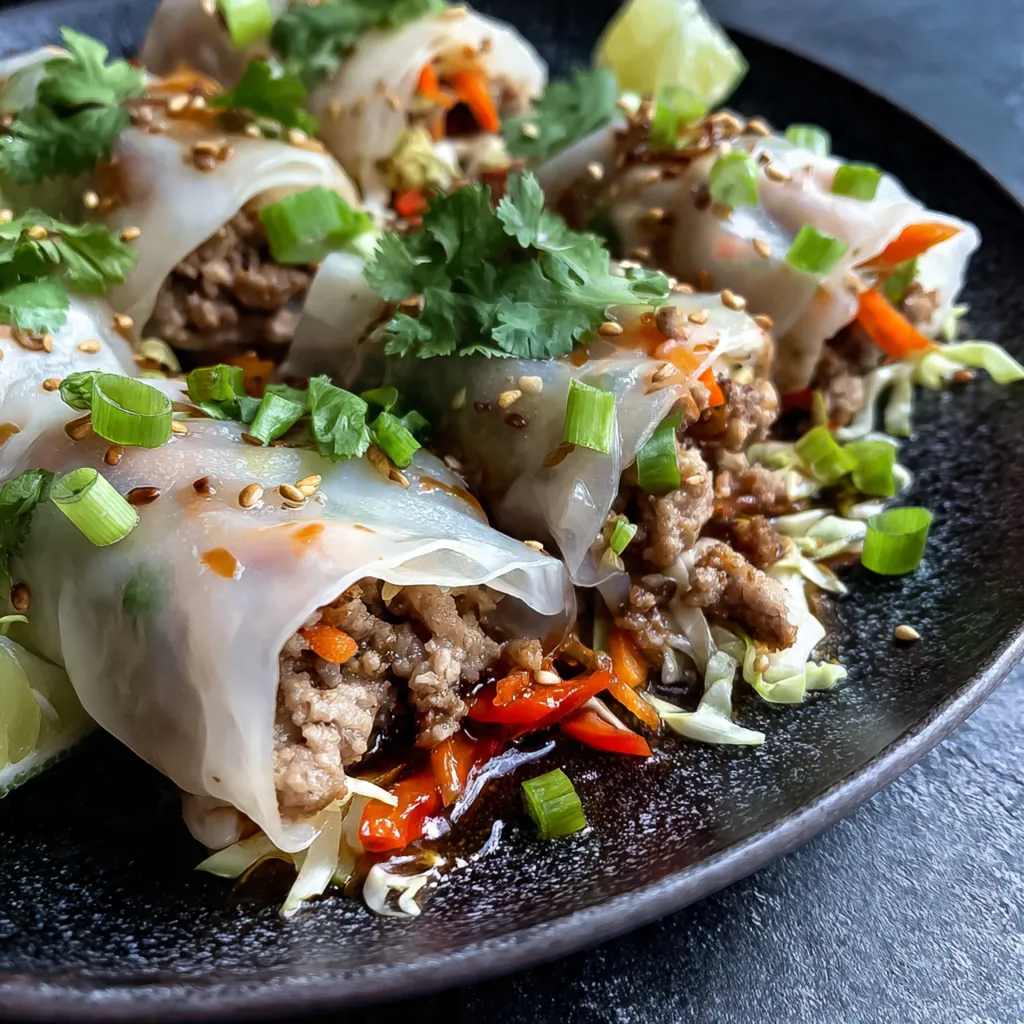
These Rice Paper Dumplings deliver an incredible shatteringly crisp texture that completely redefines the dumpling experience. Filled with umami-rich shiitake mushrooms, cabbage, and aromatic ginger, they offer a Vietnamese-inspired twist that feels both light and deeply satisfying. I fell in love with this technique because it skips heavy wheat wrappers for a delicate, blistered shell that crackles with every bite. You get restaurant-quality appetizers at home without the deep fryer.
Why You'll Love This Recipe
- The rice paper wrapper creates a unique blistered crunch unlike anything you’ve tried before
- It’s completely vegan and naturally gluten-free if you swap soy sauce for tamari
- You can assemble the entire batch ahead of time and fry just before serving
- The filling is versatile enough to use whatever vegetables you have on hand
- I make these for dinner parties and they disappear in minutes.
Ingredients You’ll Need
- Rice paper wrappers: These create the signature crispy, shatteringly light shell; look for the 22cm diameter rounds for easy folding
- Shiitake mushrooms: Provide the deep umami backbone; fresh shiitakes offer a meatier texture than dried
- Napa cabbage: Adds gentle sweetness and moisture to the filling; choose heads with crisp, pale green leaves
- Carrot: Brings subtle sweetness and vibrant color; grate it finely so it blends seamlessly
- Garlic: Delivers a pungent aromatic base; fresh cloves provide the sharpest, most authentic flavor
- Ginger: Infuses the filling with warm, spicy notes; always use fresh root rather than powdered
- Green onions: Offer a fresh, mild bite and color; slice them thinly to distribute evenly
- Soy sauce: The primary salty element and flavor carrier; choose a naturally brewed variety for best depth
- Sesame oil: Adds a nutty, toasty aroma that defines Asian cuisine; a little goes a long way
- Rice vinegar: Provides bright acidity to cut through the richness; unseasoned is best for control
- White pepper: Offers a subtle, earthy heat that’s distinct from black pepper; it blends in visually too
- Salt: Essential for seasoning the vegetables and drawing out their natural moisture
- Vegetable oil: Needed for frying; use a high smoke point oil like canola or grapeseed
- Water: Used strictly for sealing the wrappers and creating steam during cooking
- Sesame seeds: A optional garnish that adds crunch and visual appeal; toast them lightly first
- Fresh cilantro: Adds a bright, herbaceous finish that pairs perfectly with the mushrooms
- Sriracha or chili oil: The ideal dipping companion for adding spicy heat and richness
- Miso paste: An optional powerhouse for extra savory depth; white miso keeps it subtly sweet
How to Make It
Prepare the Filling:
Start by heating a large skillet over medium-high heat. Add the chopped shiitake mushrooms and sauté for 5-6 minutes until they release their moisture and begin to brown. This step is crucial because it concentrates their savory flavor and prevents soggy dumplings later. I always wait until the pan looks dry again before moving to the next step.
Add Aromatics and Vegetables:
Toss in the shredded Napa cabbage, grated carrot, minced garlic, and grated ginger. Sauté everything together for another 3-4 minutes. You want the vegetables softened but still retaining some texture so the filling isn’t mushy. The kitchen should smell incredibly fragrant at this point.
Cool and Season the Mixture:
Remove the skillet from the heat and let the vegetable mixture cool for at least 5 minutes. Meanwhile, transfer it to a mixing bowl. Add the green onions, soy sauce, sesame oil, rice vinegar, white pepper, and salt. If you’re using miso paste, stir it in now. Mix thoroughly and taste; adjust the seasoning if needed. Let this cool completely—warm filling will tear your delicate wrappers.
Set Up Your Assembly Station:
Fill a shallow dish with warm water and lay a clean kitchen towel on your workspace. Keep a parchment-lined plate nearby for the finished dumplings. Working with one rice paper wrapper at a time, dip it fully in the water for about 5-6 seconds. You want it pliable but not overly soft; it will continue to hydrate as you work. Lay it flat on the towel immediately.
Fill and Roll the Dumplings:
Place about 1.5 tablespoons of the cooled filling in the center of the wrapper. Fold the bottom edge up over the filling, then fold in the sides tightly, and roll everything up to form a neat parcel. The wrapper sticks to itself, so no extra water is needed for sealing. Place the finished Rice Paper Dumplings on your parchment-lined plate and cover them with a damp towel to prevent drying out while you work.
Heat the Pan and Fry:
Heat 1 tablespoon of vegetable oil in a large non-stick skillet over medium heat. Once the oil shimmers, arrange 4-5 dumplings in the pan, seam-side down. Leave space between them so they cook evenly. Cook for 3-4 minutes without moving them until the bottoms are a deep golden brown and crispy.
Flip and Steam:
Carefully flip the dumplings using tongs or a spatula. If the pan looks dry, add a splash of water (about 1 tablespoon) and cover the pan with a lid for 1-2 minutes. This steams the tops and ensures the filling is heated through. Removing the lid and cooking for another 1-2 minutes re-crisps the exterior perfectly.
Drain and Rest:
Transfer the cooked dumplings to a plate lined with paper towels to drain any excess oil. Repeat the cooking process with the remaining dumplings, adding more oil to the pan as needed. Let the dumplings rest for 2-3 minutes before serving—they will crisp up even further as they cool slightly. Sprinkle with sesame seeds and cilantro if desired.
Serve Immediately:
Serve the dumplings while hot and crispy. Pair them with your choice of dipping sauce, whether it’s sriracha, chili oil, or a simple soy-vinegar mixture. The contrast between the hot, crunchy wrapper and the savory filling is best right out of the pan.
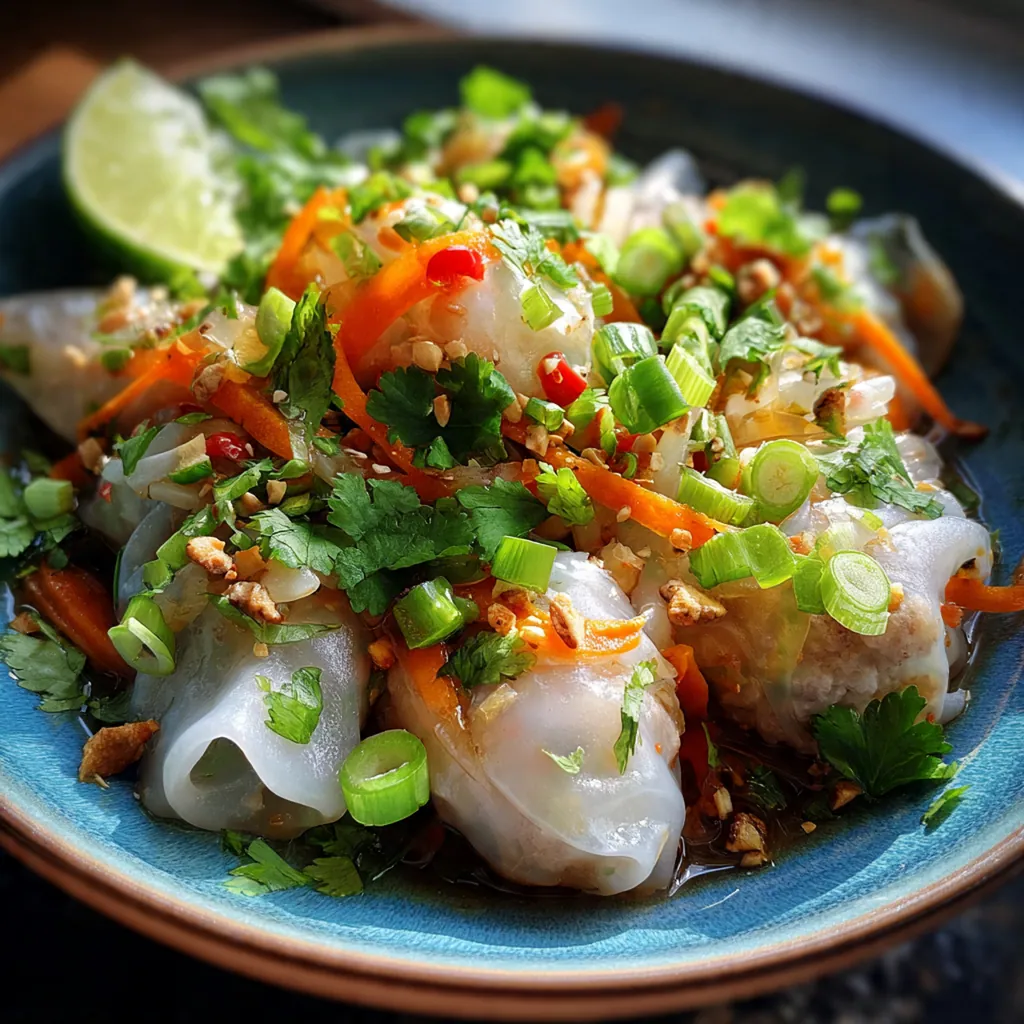
You Must Know
- The filling must be completely cool before you start wrapping, otherwise steam will tear the…
- Don’t over-soak the rice paper; it should feel slightly firm when you lay it down, as it sof…
- Keep assembled dumplings covered with a damp towel at all times to stop them from drying and…
- I learned the hard way that rushing the cooling step is the biggest mistake you can make.
Storage Tips
If you have leftovers, store the uncooked assembled dumplings in an airtight container in the refrigerator for up to 24 hours, placing parchment paper between layers to prevent sticking. Cooked dumplings keep well for 3 days in the fridge. To reheat, use a skillet over medium heat to bring back that signature crunch—never the microwave, or you’ll end up with a sad, soggy wrapper that loses all its magic.
Ingredient Substitutions
You can easily swap shiitake mushrooms for cremini or even a mix of wild mushrooms depending on what’s available at your market. If you don’t have Napa cabbage, regular green cabbage or even bok choy works well; just chop it finely. For the soy sauce, tamari keeps it gluten-free, or coconut aminos make it soy-free. The miso paste is purely optional, but I highly recommend it for that extra savory punch if you have it on hand.
Serving Suggestions
These dumplings are fantastic on their own, but I love serving them with a side of quick-pickled vegetables like cucumber, carrot, and radish tossed in rice vinegar for a crunchy contrast. A simple light Asian slaw works beautifully alongside, or you can go for a warm bowl of miso soup to round out the meal. For dipping, mix soy sauce, rice vinegar, a touch of sesame oil, and finely sliced green onions for a classic companion.
Cultural Context
This recipe is a modern fusion that takes inspiration from Vietnamese Goi Cuon, but completely reimagines the texture by using rice paper wrappers for pan-frying rather than fresh rolling. It celebrates the Vietnamese principle of balancing fresh herbs, savory umami, and crisp textures, while adapting to home kitchen methods that deliver that satisfying crunch without a deep fryer. It’s a perfect example of how traditional flavors can evolve into something new and exciting.
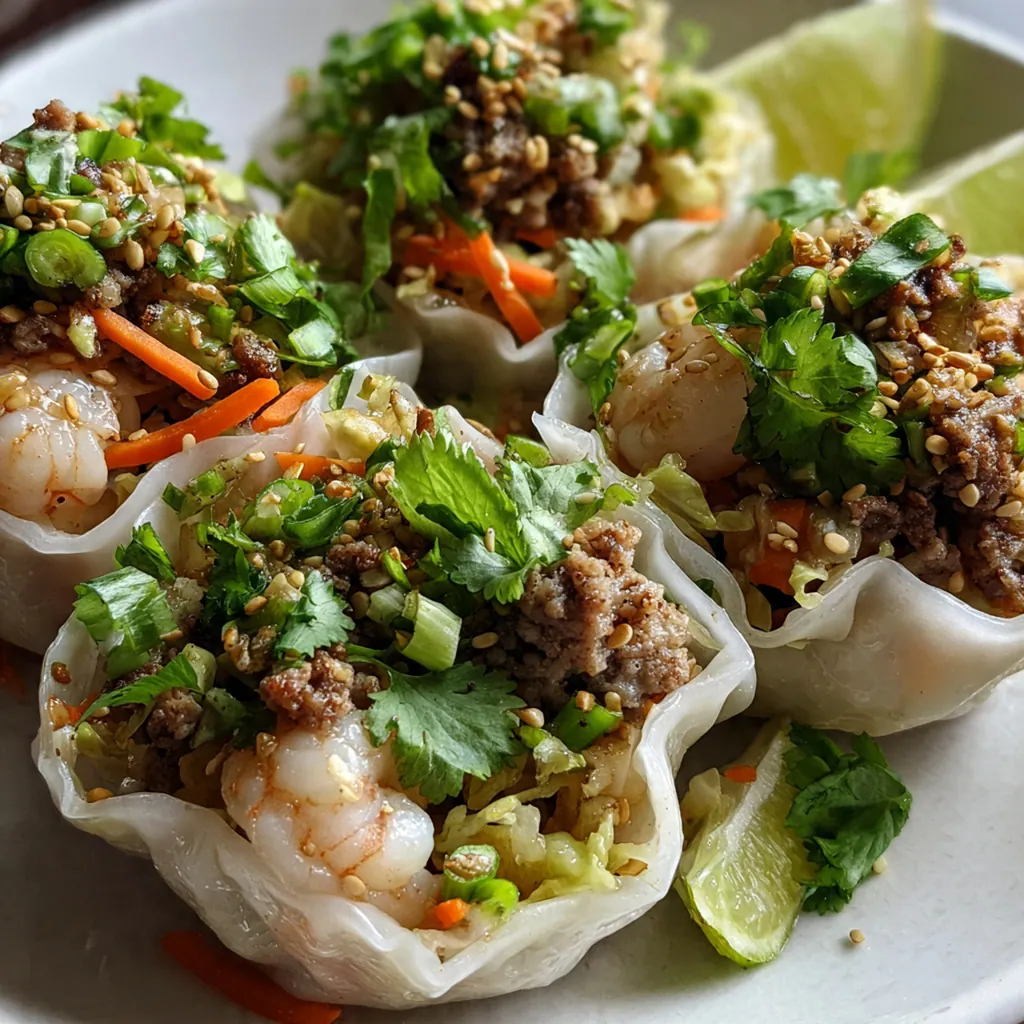
Pro Tips
- Make sure the oil is hot enough before adding dumplings; a flick of water should sizzle imme…
- Don’t overcrowd the pan or the dumplings will steam instead of frying
- If you want extra crispiness, let the wrapped dumplings air dry for 10 minutes before frying
- I find that a non-stick pan is your best friend here to prevent sticking.
Frequently Asked Questions
Water is essential for sealing Rice Paper Dumplings because it makes the rice paper tacky and pliable. When you brush the edges with water, it acts like glue, ensuring the filling stays inside during frying and creating a tight seal for that perfect crispy exterior.
While pan-frying gives the best golden texture, you can air fry these Rice Paper Dumplings. Lightly brush them with oil and air fry at 375°F (190°C) for 8-10 minutes, flipping halfway. Baking isn’t recommended as they tend to dry out without achieving that signature crunch.
Shiitake mushrooms, as listed in the ingredients, are ideal for Rice Paper Dumplings because they provide a deep, meaty umami flavor. If you can’t find fresh shiitake, you can use cremini mushrooms or even rehydrated dried shiitakes for an even more intense flavor.
To prevent tearing, dip the rice paper in warm water for just a few seconds until it’s soft but still slightly firm. Over-soaking makes it too delicate to handle. Work on a damp surface and handle the wrappers gently when adding the filling.
These Vietnamese-Fusion dumplings pair perfectly with a classic sweet chili sauce or a nuoc cham (Vietnamese dipping sauce). You can also make a simple soy-vinegar dip with soy sauce, rice vinegar, and a touch of sesame oil or chili oil for heat.