


Spicy Shrimp Gochujang Scampi is the kind of weeknight hero you’ll crave, a brilliant fusion that brings together Korean depth and Italian simplicity in one pan. It’s my go-to when I want something that feels impressively restaurant-worthy but is honestly easier than ordering takeout. The magic is in that sticky, savory gochujang sauce that clings to every plump shrimp. You get a beautiful balance of spicy, sweet, and tangy flavors that come together in under 30 minutes, making it a perfect solution for busy nights.
Why You'll Love This Recipe
- It’s on the table in 25 minutes for a fast, fancy-feeling meal
- The gochujang brings a complex fermented heat you can’t get elsewhere
- Perfectly balances spicy, savory, sweet, and tangy in one sticky sauce
- Incredibly versatile over pasta, rice, or with some crusty bread
- It’s the one pan wonder I make when I’m tired but still want big flavor
Ingredients You’ll Need
- Large shrimp: pick wild-caught if you can for the best sweet, clean flavor and make sure they’re peeled and deveined to save you time and mess. Patting them dry is the secret to a good sear.
- Kosher salt: this coarse salt seasons the shrimp evenly and helps draw out their natural sweetness. I find it sticks to the surface better than fine table salt.
- Freshly ground black pepper: always grind it fresh for a brighter, more aromatic punch that cuts through the rich sauce.
- Extra-virgin olive oil: use a good quality one for sautéing as it forms the flavorful base of your sauce and helps the garlic toast beautifully.
- Garlic cloves: thinly sliced garlic cooks quickly and infuses the oil with a mellow, nutty flavor that’s essential for scampi.
- Gochujang paste: this is your flavor powerhouse, providing a deep, spicy, and slightly fermented sweetness. Look for it in the Asian aisle of most grocery stores.
- Honey: it rounds out the sharp heat from the gochujang and helps create that irresistible sticky glaze on the shrimp.
- Dry white wine: a crisp Sauvignon Blanc adds necessary acidity and deglazes the pan, pulling up all the tasty browned bits from cooking the shrimp.
- Fresh lemon juice: the bright, clean acidity is non-negotiable here—bottled juice just can’t compare and it balances the sauce’s richness.
- Unsalted butter: whisked in cold at the end, it creates a glossy, luxurious sauce that lightly thickens and coats the shrimp perfectly.
- Green onions: their fresh, sharp bite scattered on top adds a welcome crunch and a pop of color right before serving.
- Toasted sesame seeds: they add a subtle nutty fragrance and a little textural contrast. Toasting them yourself makes all the difference.
- Cooked linguine or rice: these are your perfect vehicles for sopping up every last drop of that incredible spicy gochujang scampi sauce.
How to Make It
Dry and Season the Shrimp:
Take your shrimp and pat them completely dry with paper towels. This step is crucial because any extra moisture will steam them instead of letting them sear properly. Then, season them all over with the salt and pepper.
Sear the Shrimp:
Get your skillet nice and hot over medium-high heat with the olive oil. When the oil shimmers, add the shrimp in a single layer—don’t crowd the pan. Cook them for just a minute or two per side until they turn pink and opaque, then transfer them to a plate. They’ll finish cooking in the sauce later.
Toast the Garlic:
Reduce the heat to medium and add the sliced garlic to that same skillet. You want to cook it for about 45 seconds, stirring constantly, just until it’s fragrant and starting to turn golden at the edges. Keeping the heat medium prevents it from burning and turning bitter.
Bloom the Gochujang:
Add the gochujang paste and honey right into the pan with the garlic. Stir and cook this for a full minute—you’ll smell the paste deepening in fragrance and it might darken a shade. This blooming step wakes up all those complex fermented flavors.
Deglaze and Simmer the Sauce:
Carefully pour in your white wine and lemon juice. Use your wooden spoon to scrape up all the delicious browned bits stuck to the bottom of the pan—that’s pure flavor. Let the sauce simmer for 2-3 minutes until it reduces by about a third and starts to thicken slightly.
Finish the Sauce with Butter:
Turn the heat down to low. Now, whisk in the pieces of cold butter one at a time, letting each piece melt before adding the next. This slowly emulsifies the butter into the sauce, making it glossy, rich, and velvety.
Bring It All Together:
Return the seared shrimp and any juices that collected on the plate back to the skillet. Gently toss everything so each shrimp gets coated in that gorgeous spicy gochujang scampi sauce. Let them warm through for about 30 seconds—they’re already cooked, so you’re just reheating them.
Garnish and Serve Immediately:
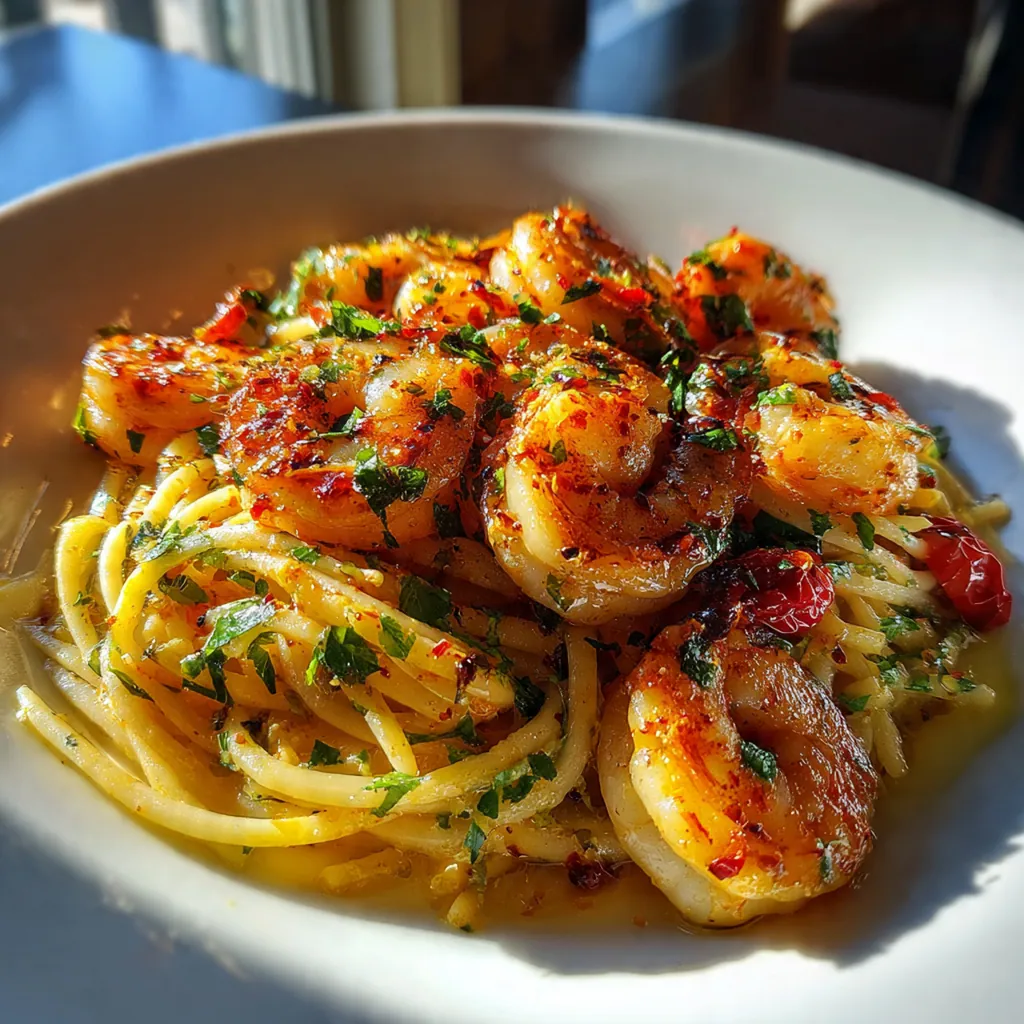
Take the skillet off the heat. Generously sprinkle the sliced green onions and toasted sesame seeds over the top. Dish it up right away while the sauce is still hot and glossy, and the shrimp are perfectly tender.
You Must Know
- Pat your shrimp completely dry for the best sear
- Don’t skip blooming the gochujang with the garlic
- Whisk the butter in off the heat for a glossy sauce
- Toast your sesame seeds for a nuttier flavor
- I always double the sauce if I’m serving it over pasta
Storage Tips
This spicy shrimp gochujang scampi is definitely best enjoyed fresh, but if you have leftovers, let them cool to room temperature and then pop them in an airtight container in the fridge for up to two days. When you’re ready to eat, reheat them gently in a skillet over low heat, stirring often, just until warmed through—this keeps the shrimp from getting tough and rubbery. I don’t recommend freezing it, as the shrimp’s texture and the butter-based sauce won’t hold up well after thawing.
Ingredient Substitutions
If you don’t have white wine, you can use a low-sodium chicken or vegetable broth with an extra squeeze of lemon for acidity. For the honey, maple syrup or even a little brown sugar will work in a pinch to balance the heat. Don’t have green onions? A sprinkle of chopped fresh chives or a little finely sliced red onion will add a similar fresh bite. In place of sesame seeds, some chopped toasted peanuts or almonds would add a nice crunch. If you need it dairy-free, swap the butter for a plant-based stick butter that’s meant for sautéing.
Serving Suggestions
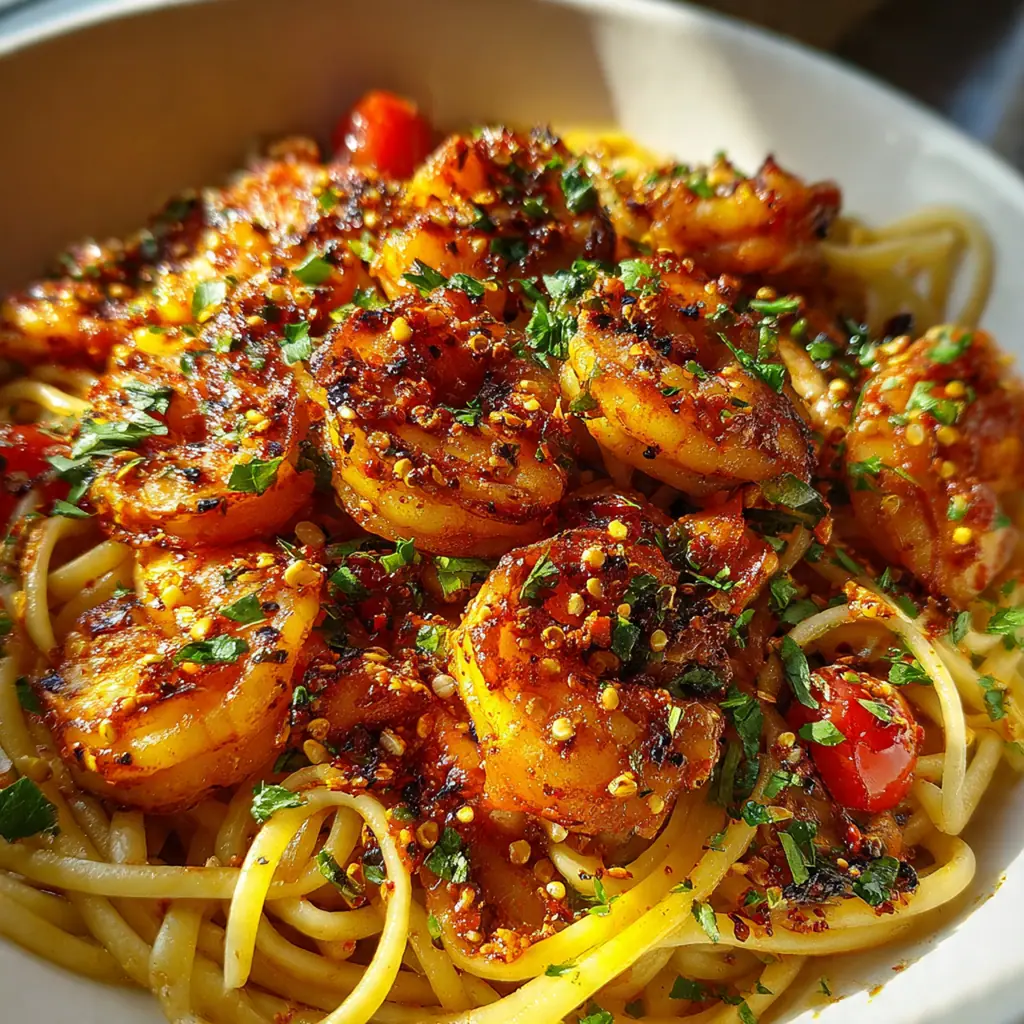
For the ultimate comfort meal, toss this spicy shrimp gochujang scampi directly with a full pound of cooked linguine or spaghetti right in the skillet. If you want to keep it lighter, serve it over a big bowl of steamed jasmine rice to soak up every drop of sauce, or simply with some crusty bread on the side for dipping. A crisp, cool cucumber salad or some quickly sautéed bok choy makes a fantastic side to balance the heat and round out the plate beautifully.
Cultural Context
This dish is a beautiful example of modern culinary fusion, taking the garlic-butter-white wine foundation of a classic Italian scampi and giving it a bold Korean soul with gochujang. Gochujang itself is a staple, a fermented chili paste that’s been at the heart of Korean cooking for centuries, adding depth to stews, marinades, and sauces. Bringing it into a quick sauté technique common in Italian kitchens creates something uniquely comforting and new, showing how core flavors from different parts of the world can come together in such a simple, fast, and incredibly satisfying way.
Pro Tips
- A hot pan is key to searing, not steaming, the shrimp
- Taste your gochujang first—brands vary in heat and sweetness
- Have all your sauce ingredients measured and ready to go
- Use a dry pan to toast sesame seeds until they just pop
- It’s my secret weeknight dinner for impressing guests
Frequently Asked Questions
For a similar fermented, spicy-sweet flavor, mix 2 tbsp sriracha with 1 tbsp doenjang (Korean soybean paste) or miso. While not identical, it’ll provide a good balance. Avoid plain chili paste, as it lacks the sweetness and umami depth of gochujang.
It’s best served fresh, but you can prep the sauce base (garlic, gochujang, honey, wine) ahead. Reheat the sauce gently, then cook the shrimp just before serving to keep them perfectly tender and not rubbery.
Use low-sodium chicken or seafood broth mixed with 1 tablespoon of rice vinegar or extra lemon juice. The acidity is key to cutting through the richness and balancing the sweet-spicy gochujang sauce.
The shrimp are done when they turn opaque and pink, forming a loose “C” shape, which takes about 2-3 minutes per side. The sauce should be thick enough to coat the back of a spoon, creating that signature sticky glaze.
Serve it over pasta, rice, or crusty bread to soak up the incredible sauce. For a fusion meal, try it with udon noodles or a simple side of sesame-roasted broccoli to complement the Korean-Italian flavors.