

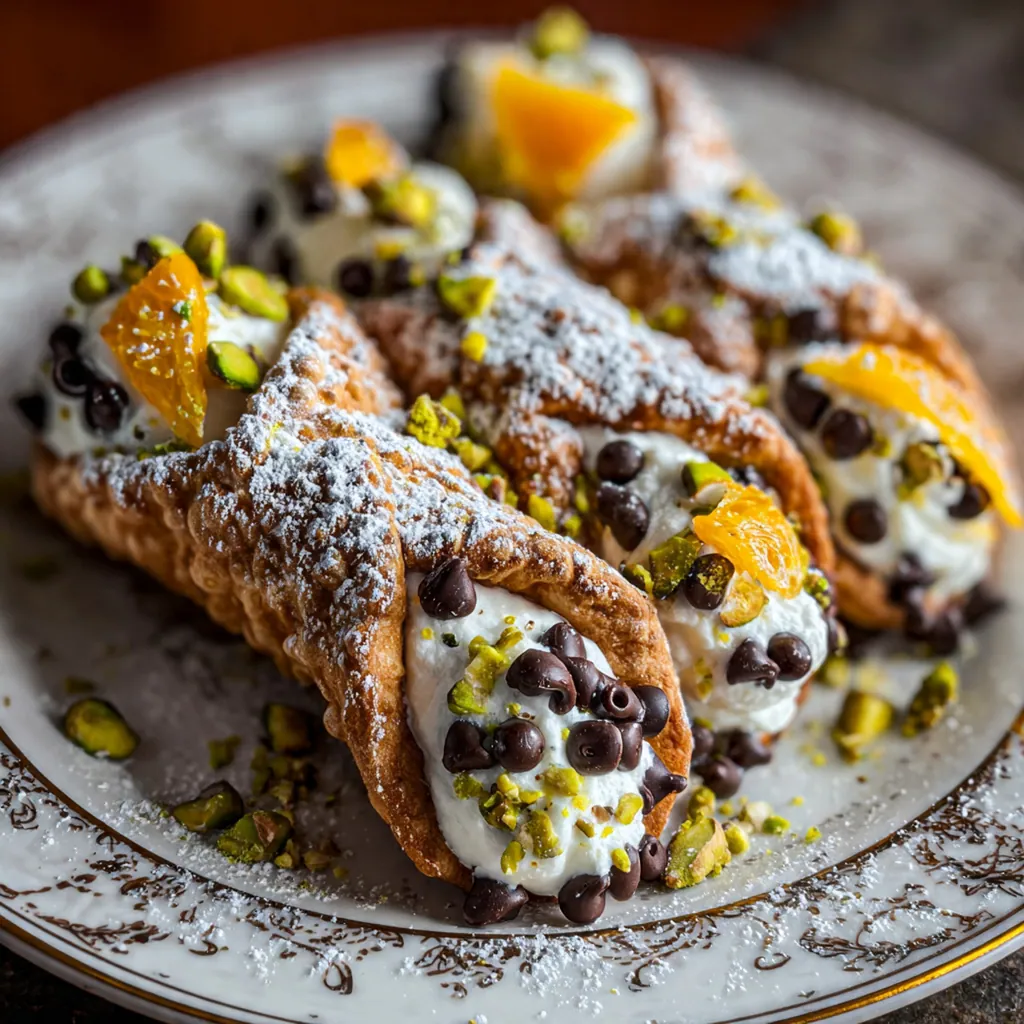
Italian Cream Cannoncini represent the pinnacle of Italian pastry artistry, combining delicate, crisp pastry shells with a silky vanilla custard filling. These golden horns originated in Northern Italy, where pastry chefs perfected the art of creating light, airy vessels that cradle rich cream. Making them at home connects you to centuries of Italian baking tradition, transforming simple ingredients into an elegant dessert. The contrast between the flaky shell and smooth custard makes every bite a celebration of authentic craftsmanship.
Why You'll Love This Recipe
- The dramatic presentation makes these perfect for special occasions and holidays
- Crisp pastry shell contrasts beautifully with silky vanilla custard
- Authentic Italian bakery-quality dessert you can make at home
- Customizable with different extracts or citrus zests
- Can be assembled ahead and filled just before serving for maximum freshness
- I make these for holiday gatherings and they always steal the show
Ingredients You’ll Need
- All-purpose flour: The backbone of your pastry shells. Choose unbleached for better structure and a tender crumb that rolls out smoothly without sticking.
- Unsalted butter: Cold cubes create flaky layers in the dough. European-style butter has higher fat content for richer, more tender pastries.
- Granulated sugar: Adds sweetness to both dough and custard. Fine grain dissolves easily, preventing grittiness in the final pastry.
- Salt: Balances sweetness and enhances all flavors. Fine sea salt incorporates evenly into the dough without leaving pockets.
- Large egg: Binds the dough together. Room temperature eggs incorporate better, creating a more uniform texture in your pastry.
- Whole milk: Adds moisture and richness to the dough. The fat content helps create a tender, pliable pastry that wraps easily.
- Fresh lemon zest: Brightens the dough with citrus aroma. Use a microplane for fine zest that distributes evenly without bitter pith.
- Whole milk (for custard): Creates the creamy base for vanilla custard. Whole milk’s fat content gives the custard a luxurious, smooth mouthfeel.
- Granulated sugar (custard): Sweetens the custard filling. Dissolving it completely with yolks prevents graininess in the final creamy texture.
- Large egg yolks: Give richness and body to custard. Fresh, room temperature yolks blend smoothly and create a silkier filling.
- Cornstarch: Acts as thickener for custard. Must be whisked smooth with yolks before heating to avoid lumps in the final filling.
- Vanilla extract: Provides classic flavor. Pure vanilla extract gives depth that imitation versions lack in this delicate custard.
- Almond extract: Adds subtle nutty complexity. Just a hint enhances the vanilla without overpowering the delicate custard flavor.
- Heavy cream: Optional for lightening the filling. Whipped to soft peaks, it creates an airy texture that contrasts the crisp shell.
- Powdered sugar: For dusting the finished cannons. Creates an elegant, snowy finish that makes them look professionally made.
- Fresh berries: Optional garnish for color and freshness. Berries cut through the richness with natural acidity and bright visual appeal.
How to Make It
Prepare the Pastry Dough:
Combine flour, 1/2 cup sugar, and salt in a large bowl. Cut in the cold cubed butter using your fingertips or pastry cutter until the mixture resembles coarse sand. Work quickly so the butter stays cold—this creates those essential flaky layers in your shells.
Add Wet Ingredients and Chill:
Add the egg, milk, and lemon zest, mixing gently until the dough just comes together. Don’t overwork it or your shells will be tough. Form into a disc, wrap tightly in plastic, and refrigerate for at least 30 minutes while you make the custard.
Start the Custard Base:
Heat 2 cups of milk in a medium saucepan over medium heat until it just begins to simmer with small bubbles around the edges. Don’t let it boil or the custard may curdle when you add the egg mixture.
Whisk the Egg Mixture:
In a separate bowl, whisk together 1/2 cup sugar, egg yolks, and cornstarch until smooth and pale yellow, about 2 minutes. This step is crucial—cornstarch must be fully dissolved or you’ll get lumps later.
Temper the Eggs Properly:
Slowly pour about 1/2 cup of the hot milk into the egg mixture, whisking constantly to prevent curdling. Then pour this mixture back into the saucepan with the remaining milk. This gradual temperature adjustment protects the delicate eggs.
Cook and Thicken the Custard:
Cook over medium-low heat, whisking constantly for 5-7 minutes until it thickens enough to coat the back of a spoon. If it seems runny, cook a minute longer. Remove from heat and stir in vanilla and almond extracts.
Chill the Custard Completely:
Transfer custard to a clean bowl and press plastic wrap directly onto the surface to prevent skin formation. Refrigerate for at least 2 hours until completely chilled and set. The custard needs to be cold and thick for piping.
Shape and Bake the Shells:
Preheat oven to 375°F. On a floured surface, roll chilled dough to 1/8-inch thickness and cut into 12 strips about 1/2-inch wide and 8 inches long. Wrap each strip around a well-greased cannoncini mold, overlapping edges slightly, and place seam-side down on parchment-lined baking sheet. Bake 15-18 minutes, rotating pans halfway through, until golden brown and crisp.
Cool and Fill the Cannons:
Let shells cool for 5 minutes, then carefully twist and remove molds while still warm. Once shells and custard are completely cooled, whip heavy cream to soft peaks if using and fold into custard for a lighter filling. Transfer to a piping bag and pipe from both ends for even filling, then dust with powdered sugar and serve within 2 hours for best crispness.

You Must Know
- Work quickly when wrapping dough strips to keep the butter cold for flaky layers
- The custard should be thick enough to stand on its own before chilling
- Don’t overbake the shells—they should be golden but still pliable
- Grease molds thoroughly or shells won’t release cleanly
- For extra flair, brush shells with egg wash before baking
- I always pipe from both ends to avoid cracking the delicate shells
Storage Tips
Store unfilled shells in an airtight container at room temperature for up to 2 days. Fill them just before serving for the best crisp texture—if you fill them too early, the shells absorb moisture and lose their signature crunch. If you must fill them ahead, refrigerate for no more than 4 hours, though you should know the pastry will soften over time. The custard alone keeps beautifully for 3-4 days refrigerated with plastic wrap pressed directly on the surface, so you can make components separately and assemble when needed. For maximum freshness, I prefer to keep everything separate and fill right before your guests arrive.
Ingredient Substitutions
If you don’t have cannoncini molds, wooden spoon handles wrapped in foil work wonderfully—just grease them thoroughly first. For the pastry, European-style butter creates richer shells, but standard unsalted butter works perfectly fine. If you need a gluten-free version, swap the all-purpose flour with a 1:1 gluten-free baking blend and add a touch more liquid since gluten-free flours absorb more moisture. Dairy-free alternatives work too—use plant-based butter and milk, though the custard texture may be slightly less silky. For the filling, heavy cream is optional; the custard alone is luxuriously rich. If you’re out of lemon zest, orange zest makes a lovely substitute that complements the vanilla beautifully.
Serving Suggestions
These Italian cream cannoncini shine on their own as an elegant dessert, but I love pairing them with strong espresso or cappuccino—the bitterness cuts through the rich cream perfectly. For a complete Italian dessert spread, serve alongside tiramisu and fresh berries on a wooden board for a rustic yet sophisticated presentation. They’re stunning on a holiday dessert table, especially when dusted with powdered sugar and garnished with a few strategically placed fresh berries. For a casual gathering, arrange them standing up in a tall glass filled with decorative sugar, creating an impressive centerpiece that doubles as dessert. The contrast of colors and textures makes them restaurant-worthy.
Cultural Context
Italian cream cannoncini represent the heart of Italian pastry tradition, particularly from Northern Italy where pastry chefs perfected the art of creating delicate, crisp vessels for rich creams. These horns, also called cannoncini or cornetti, are traditionally served during celebrations like weddings, Christmas, and Easter when families gather for elaborate multi-course meals. The technique of wrapping thin dough around molds dates back centuries and showcases the Italian philosophy of balancing contrasting textures—crisp pastry against smooth cream. Making them connects you to generations of home bakers and professional pâtissiers who view pastry as an art form. The recipe reflects Italy’s deep appreciation for quality ingredients and the patience required to create something truly special from simple flour, butter, and eggs.
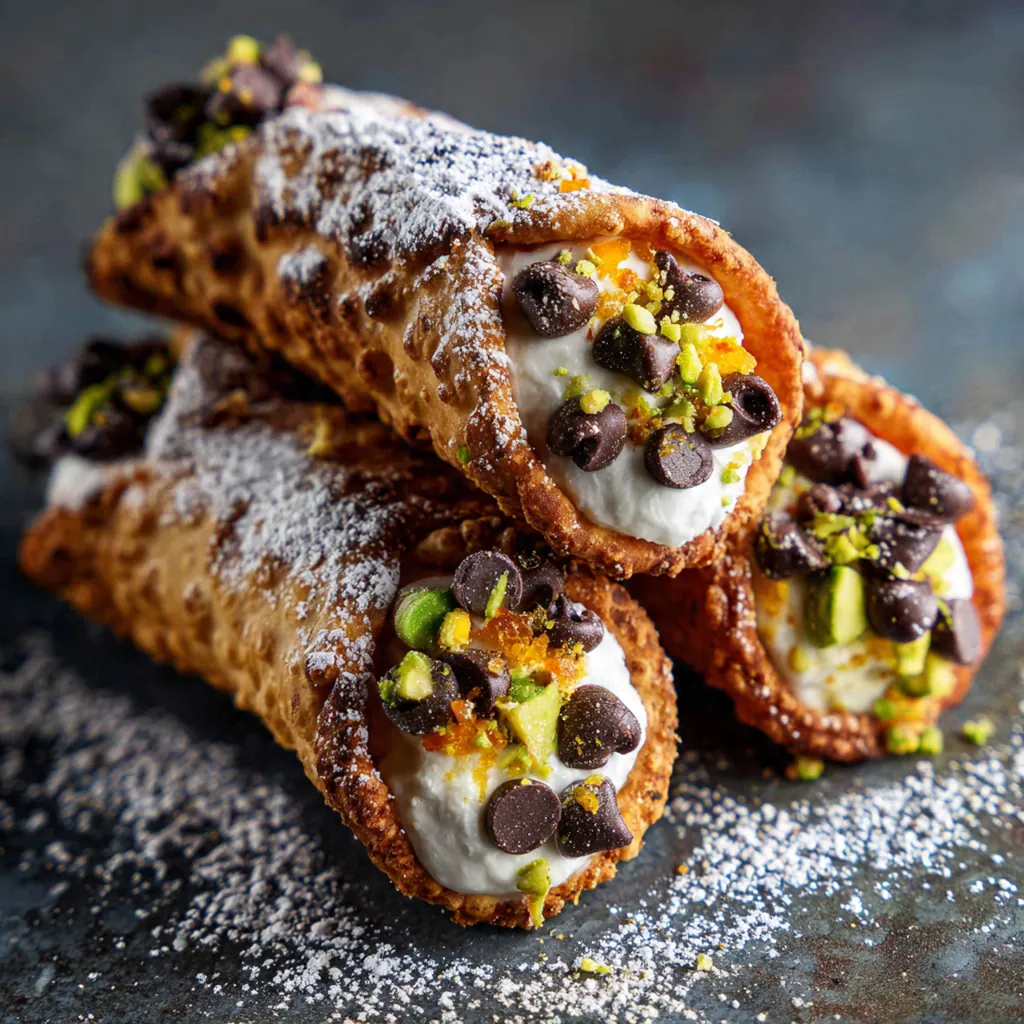
Pro Tips
- If you don’t have cannoncini molds, wooden spoon handles wrapped in foil work wonderfully – …
- Don’t overbake the shells – they should be golden but still pliable when removed from the oven
- The custard should be thick enough to stand on its own; if it seems runny, cook a minute longer
- Work quickly when wrapping dough strips to keep the butter cold – this ensures flaky layers
- For extra flair, brush shells with egg wash before baking for deeper color and shine
- I always check the shells after 12 minutes since ovens vary and they go from perfect to over…
Frequently Asked Questions
For Italian cream cannoncini, use pâte brisée or a rich shortcrust pastry made with cold butter. The cold, cubed butter is essential—it creates steam pockets for flaky layers. The lemon zest in this recipe brightens the dough, complementing the vanilla custard perfectly.
Yes! Bake the cannoncini shells up to 2 days ahead and store them airtight at room temperature. Prepare the custard the day before and refrigerate. Fill the shells just before serving to keep the pastry crisp and prevent soggy bottoms.
Absolutely. For a nut-free version, omit the almond extract and increase vanilla extract to 1.5 teaspoons. The almond extract adds authentic Italian complexity, but vanilla alone creates a delicious, crowd-friendly custard that pairs beautifully with the pastry.
Shells are ready when deep golden brown and sound hollow when tapped lightly. The edges should be crisp. Bake at 400°F (200°C) for 25-35 minutes, rotating the pan halfway through for even browning on these tubular pastries.
Serve these delicate pastries at room temperature with espresso or a sweet dessert wine like Vin Santo. They’re perfect for holidays, weddings, or any special occasion. Dust lightly with powdered sugar just before serving for an elegant finish.